Group universal life insurance is an employer-sponsored policy that combines a death benefit with a cash value account. It can give employees long-term coverage, flexible contributions, and access to accumulated funds, depending on the plan rules.
For employers and HR teams, the main concern is whether this coverage fits employee needs without creating confusion about costs, portability, or policy risks. In this guide, we’ll explain how group universal life insurance works, how cash value builds, what happens when employees leave a job, and what employers should review before offering it.
Key Takeaways
- Group universal life insurance combines a death benefit with cash value through an employer-sponsored workplace plan.
- Employees may pay premiums through payroll deductions, with extra contributions helping cash value grow under the policy terms.
- Loans and withdrawals can reduce cash value and the death benefit, raising the risk of policy lapse.
- Portability varies by plan, and employees may face new rates, deadlines, or payment rules after leaving a job.
- Employers and employees should review costs, guarantees, coverage limits, cash value rules, and long-term family needs before enrollment.
How Does Group Universal Life Insurance Work Through an Employer?
An employer offers group universal life insurance, or GUL, as part of its workplace benefits package. Employees can choose coverage from the options available under the group policy and name one or more beneficiaries. The employer may pay part of the cost, or employees may cover the full amount through payroll deductions. Some plans include a basic coverage amount, with the option to buy more. Higher limits may require health questions or proof of insurability. Spouse or dependent coverage may be available under certain plans. For employers and HR teams, clear communication matters. Employees should know:
- How much coverage they can select
- What the payroll cost will be
- Whether rates rise with age
- What happens after employment ends
- Which features are guaranteed
These details help employees judge whether the policy fits their family and financial needs.
How Do Premiums and Cash Value Build Inside the Policy?
Each payment supports two parts of the policy. One part covers the cost of life insurance and policy charges. Money paid above those costs may move into a cash value account that earns interest based on the terms of the plan. Some policies offer a guaranteed minimum interest rate, though the current credited rate may change. Employees may have the option to raise, reduce, pause, or restart extra contributions. The final cash value depends on several factors:
- The amount contributed
- Insurance costs
- Policy fees
- Interest credited
- Loans or withdrawals
Employees should review the policy illustration and annual statements rather than relying on the starting projection. If the policy does not hold enough value to cover future charges, the coverage may lapse. This risk can grow as insurance costs rise with age.
How Can Employees Access the Cash Value?
Employees may be able to access the cash value through a withdrawal or policy loan. This can provide funds for an emergency, a major expense, or another financial need. Accessing the account can affect the policy in several ways. A withdrawal reduces the amount left inside the account. An unpaid loan may reduce the death benefit paid to beneficiaries. Taking out too much money can leave less value available to cover future insurance charges, which may raise the chance of a lapse.
Taxes and fees can apply in certain cases, including policies classified as modified endowment contracts. Employees should request a current policy statement before taking money out. They should check the remaining cash value, the effect on the death benefit, any loan interest, and possible tax treatment with a qualified tax professional.
Can Employees Keep GUL Coverage After Leaving a Job?
Some GUL plans let employees continue coverage after retirement, resignation, or a job change. This feature is often called portability, but it is not included in every plan. Employees should check the policy certificate before treating the coverage as permanent or fully portable. The cost may change once the employee leaves the group. The carrier may move the person to a different rate schedule, billing method, or continuation arrangement. Coverage may be affected later if the employer replaces the carrier or ends the master group policy. HR teams should explain these points during enrollment:
- Whether portability is available
- How long employees have to apply
- How premiums are paid after leaving
- Whether rates can increase
- What happens if the employer changes plans
Clear answers can prevent employees from losing coverage through a missed deadline or incorrect assumption.
What Are the Benefits and Risks of Group Universal Life Insurance?
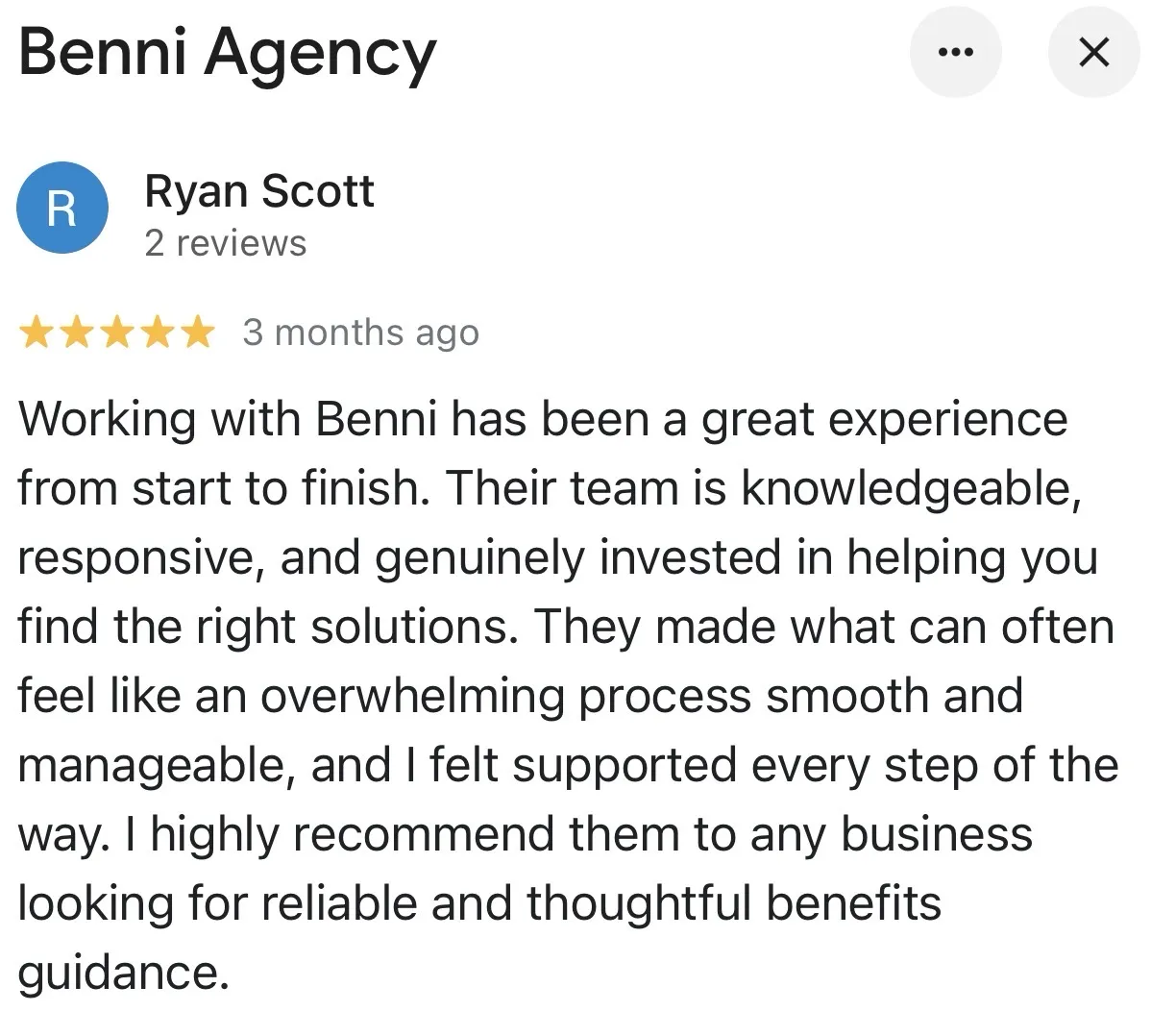
Group universal life insurance can give employees access to long-term life insurance protection through work, along with a cash value feature. It may suit employees who want coverage that can continue beyond their current job, but the policy still needs careful review. One customer described working with Benni Agency as a smooth and manageable experience from start to finish. The team remained knowledgeable and responsive, helping make a complicated benefits decision easier to understand and navigate.
Its long-term value depends on premiums, insurance costs, policy charges, cash value growth, and continuation rules. Employers should present GUL as one option rather than a complete solution for every employee. Some workers may need additional coverage through an individual policy, while others may prefer voluntary life insurance or lower-cost term life insurance.
Potential Benefits
GUL may offer group pricing, convenient payroll deductions, and simpler qualification for certain coverage amounts. Employees can receive a death benefit and build cash value inside the same policy. Some plans permit flexible extra contributions, spouse coverage, policy loans, withdrawals, and continuation after employment. These features can make GUL useful for employees seeking longer-term coverage through a workplace benefit.
Potential Risks and Limitations
Insurance costs may rise as the employee gets older, which can place more pressure on premiums and cash value. Loans and withdrawals may reduce the death benefit or raise lapse risk. Coverage limits, interest rates, portability rules, and underwriting requirements vary by plan. Employees may find that workplace coverage does not fully replace income, pay debts, or meet long-term family needs.
How Is Group Universal Life Different From Group Term Life?
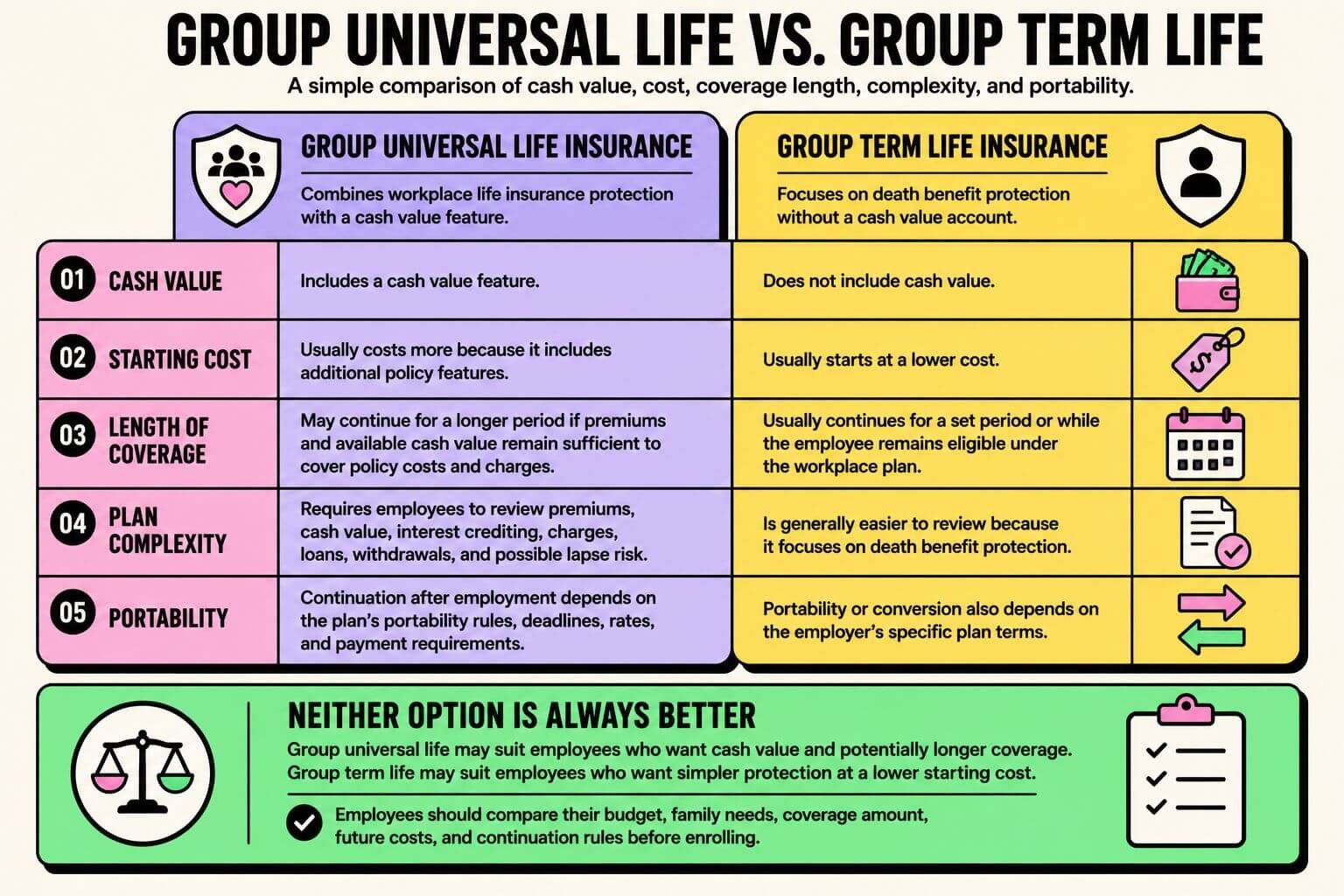
The main difference is that group universal life insurance includes cash value, and group term life insurance does not. Group term life focuses on death benefit protection for a set period or for as long as the employee remains eligible under the workplace plan. GUL can stay active for a much longer period if enough money remains in the policy to cover insurance costs and charges. Group term life usually starts at a lower cost and may suit employees who want simple protection without a savings feature. Key differences include:
- Cash value: GUL includes it; term life does not
- Cost: GUL usually costs more
- Length of coverage: GUL may continue longer
- Plan complexity: Term life is easier to review
- Portability: Both depend on the employer’s plan
Who May Benefit From Group Universal Life Insurance?
GUL may fit employees who want long-term life insurance coverage and value the option to build cash value through a workplace plan. It may appeal to workers who expect their insurance needs to continue after retirement or a job change. This type of policy may suit employees who:
- Want permanent-style coverage
- Prefer payroll deductions
- Need access to simplified underwriting
- Want a cash value feature
- Plan to review the policy regularly
GUL may be less suitable for employees focused on getting the largest death benefit at the lowest starting cost. Those workers may find group term life or an individual term policy easier to manage. Employers should help employees compare costs, coverage limits, future rate changes, and family needs before enrollment.
What Should Employers and Employees Check Before Choosing a GUL Plan?
A GUL plan should be reviewed for more than its starting premium. Employers and employees need to check how costs may change, how cash value is credited, and what can cause the policy to lose coverage. The policy certificate should explain:
- Coverage limits
- Age-based insurance costs
- Guaranteed and non-guaranteed values
- Interest crediting rules
- Loan and withdrawal effects
- Portability terms
- Underwriting requirements
- Policy lapse conditions
Employers should give employees clear plan documents and simple examples. Employees should compare projected policy values with guaranteed values. This helps prevent confusion about future costs, cash access, and the amount beneficiaries may receive.
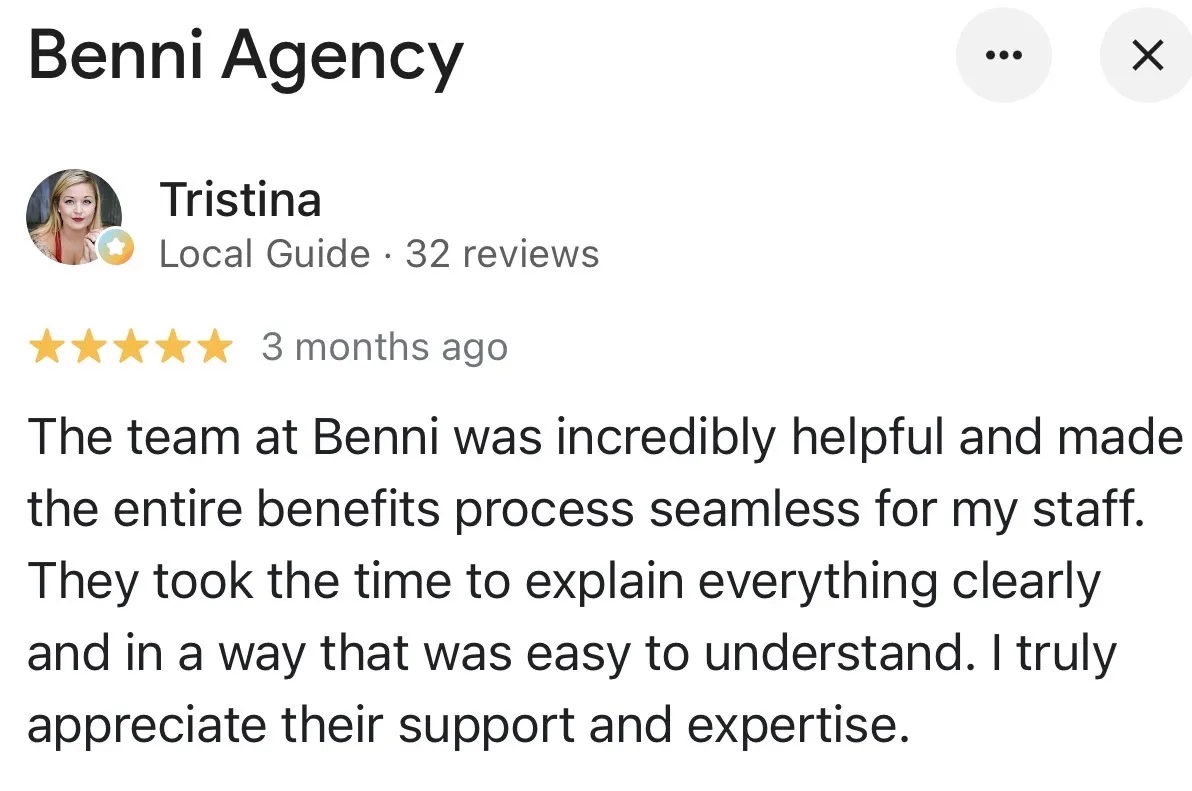
One customer shared that the team was incredibly helpful and made the entire benefits process seamless for the staff. Clear explanations and easy-to-understand guidance made the experience more manageable and gave the employer confidence throughout the process. Employers that need help reviewing coverage details can contact Benni Agency for clear guidance and practical support.
Questions Employees Should Ask
Employees should ask:
- How much coverage can I select?
- Will my cost increase with age?
- Which policy values are guaranteed?
- Can I keep the policy after leaving?
- What happens after a loan or withdrawal?
- Can the policy lapse?
- Will I need medical underwriting?
- Is this enough coverage for my family?
Questions Employers Should Ask
Employers should ask:
- What problem does the plan solve for employees?
- How are rates explained during enrollment?
- What coverage is available without medical questions?
- How does portability work?
- What happens after a carrier change?
- How are cash value risks explained?
- What support will employees receive?
- How does GUL fit with existing term life benefits?