A missed enrollment, incorrect benefits information, or a paperwork error can leave your business facing an expensive employee claim. Employee benefits liability insurance helps protect employers from certain financial losses tied to mistakes made during the administration of employee benefit plans.
For business owners and HR teams, this coverage can matter when routine benefits tasks go wrong. It may apply to errors involving health insurance, life insurance, disability coverage, retirement plans, and other employee benefits. In this guide, we’ll break down what employee benefits liability insurance covers, what it excludes, common claim examples, and what employers should review before adding EBL coverage to a business policy.
Key Takeaways
- Employee benefits liability insurance covers certain administrative mistakes tied to employee benefit plans, such as missed enrollments, incorrect eligibility information, and recordkeeping errors.
- EBL coverage may apply to benefits such as health, dental, vision, life, disability, retirement, and savings plans, depending on the policy.
- EBL and fiduciary liability insurance are different. EBL focuses on administrative errors, while fiduciary liability addresses plan management and fiduciary duty claims.
- Employers can reduce risk by using clear enrollment procedures, accurate records, staff training, and written employee communications.
- Businesses that offer employee benefits should review their current liability coverage to see whether an EBL endorsement or separate policy fits their risk exposure.
What Is Employee Benefits Liability Insurance?
Employee benefits liability insurance, often called EBL insurance, protects a business from certain claims tied to mistakes in administering employee benefit plans. These mistakes can happen during enrollment, plan changes, termination, recordkeeping, or communication with employees.
For an employer or HR team, a small administrative error can create a large financial problem. An employee might miss health coverage after an enrollment form was processed incorrectly, or receive the wrong information about eligibility. EBL coverage can help with covered legal costs, settlements, or damages tied to these errors. This coverage focuses on administrative mistakes, rather than every dispute connected to an employee benefit plan. That distinction matters when reviewing your business insurance package.
What Does Employee Benefits Liability Insurance Cover?
Employee benefits liability insurance commonly covers errors and omissions made during benefit plan administration. Coverage terms differ by insurer and policy, so employers should check the wording of their own policy.
Common covered situations may involve enrolling an employee incorrectly, failing to process a coverage change, providing inaccurate plan information, or mishandling benefit records. The mistake normally needs to fall within the policy’s definition of employee benefits administration. For HR teams, EBL coverage can provide another layer of financial protection where routine administrative work creates an employee claim. It does not replace careful benefit administration or other forms of business liability insurance.
Benefits Enrollment and Termination Errors
Enrollment mistakes are a common EBL exposure. An HR employee might fail to add a new hire to the company health plan, enter the wrong effective date, or miss a requested coverage change. Similar problems can happen after an employee leaves. Failing to process a termination correctly could leave records or coverage status inaccurate and lead to a claim.
Incorrect Benefits Information and Recordkeeping
Employees rely on HR teams for accurate information about eligibility, coverage, enrollment dates, and plan changes. A staff member who provides incorrect information could create a financial loss for an employee. Recordkeeping errors can create similar problems. Missing forms, incorrect employee data, lost documents, or unprocessed requests may form the basis of an EBL claim.
Employee Benefit Plans Commonly Covered
EBL policies may apply to administrative errors involving several types of workplace benefits. Examples can include health, dental, vision, life, and disability insurance, plus certain retirement and savings plans. For example, an employer offering group life insurance for small businesses still needs accurate enrollment records, beneficiary information, eligibility details, and coverage changes. A mistake in handling those records could lead to an employee claim.
The exact benefits covered depend on the policy language. Employers should review the definition of “employee benefit programs” in their policy rather than assume every benefit offered to employees is included.
What Does Employee Benefits Liability Insurance Not Cover?
EBL insurance is not a catch-all policy for every claim connected to employee benefits. Its main purpose is protection from covered administrative errors and omissions. Claims involving fiduciary decisions, employment discrimination, harassment, wrongful termination, fraud, theft, or deliberate misconduct usually fall outside the purpose of EBL coverage.
Some of these risks may require separate insurance. Knowing these boundaries helps employers spot gaps between EBL, fiduciary liability, and employment practices liability coverage. Your policy wording controls what is covered, so exclusions, definitions, limits, and endorsements should be reviewed before relying on EBL protection.
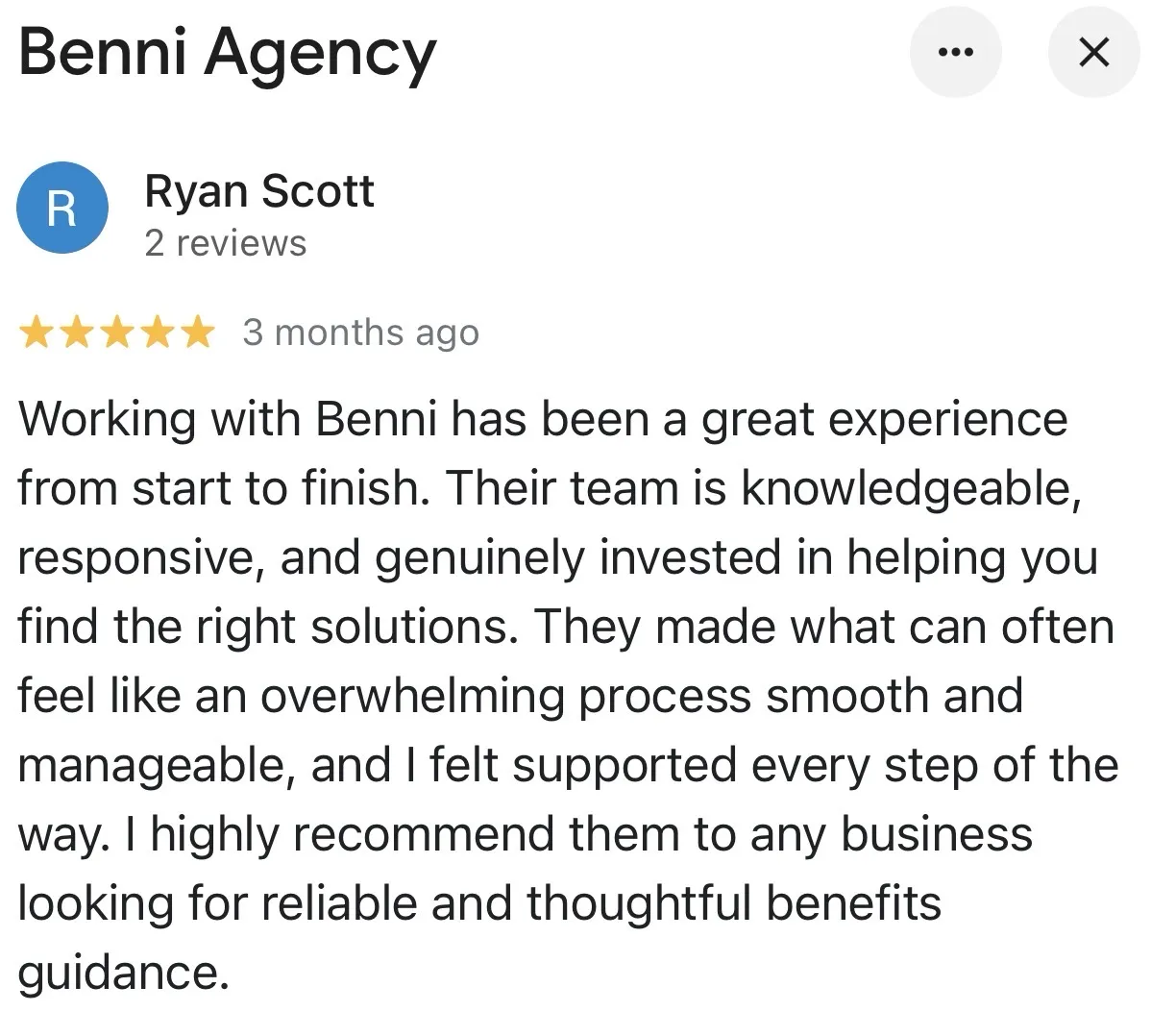
One customer described the team as knowledgeable, responsive, and helpful throughout a complicated benefits situation. Having clear explanations and practical guidance made it easier to understand the available options and move forward with confidence.
Fiduciary Duty and ERISA-Related Claims
EBL coverage should not be treated as a substitute for fiduciary liability insurance. ERISA places duties on people who exercise certain authority over covered benefit plans or plan assets. The U.S. Department of Labor identifies duties involving plan management, prudence, participant interests, and prohibited transactions. A claim based on a fiduciary breach may require fiduciary liability coverage rather than EBL insurance.
Employment Practices, Fraud, and Intentional Acts
Claims involving discrimination, harassment, or wrongful termination belong to a different risk category. The Insurance Information Institute identifies these as core exposures addressed by employment practices liability insurance, commonly called EPLI. EBL policies commonly exclude deliberate fraud, dishonesty, and intentional illegal acts. Employers should keep these risks separate when comparing liability policies.
Common Employee Benefits Liability Claim Examples
EBL insurance becomes easier to evaluate when you look at situations that can happen during routine HR work. A missed enrollment deadline, incorrect eligibility statement, or unprocessed coverage request can leave an employee without benefits they expected to receive. For employers, the issue is often less about the benefit itself and more about how the plan was administered. These claims can arise from human error, inaccurate records, missed paperwork, or incorrect communication.
The examples below show how everyday benefits administration mistakes can turn into employee claims. Actual coverage depends on the facts of the claim and the wording of the EBL policy.
An Employee Is Not Enrolled in Coverage
A new employee submits health plan enrollment paperwork, but the form is never processed. Weeks later, the employee needs medical care and discovers there is no active coverage. The employee could seek reimbursement for medical expenses or other losses. An EBL policy may respond if the missed enrollment qualifies as a covered administrative error.
An Employee Receives Incorrect Benefits Information
An HR representative tells an employee that a medical procedure is covered or that the employee qualifies for a certain benefit. The information turns out to be incorrect. If the employee relies on that statement and suffers a financial loss, a claim may follow. EBL coverage may apply to incorrect benefit information provided during plan administration.
A Benefits Change or Cancellation Is Mishandled
An employee requests a change to dependent coverage, beneficiary information, or another benefit election, but the request is entered incorrectly or never processed. A similar issue can arise when coverage should be terminated but the change is missed. These administrative mistakes can create disputes over eligibility, benefits, premiums, or financial losses tied to the incorrect record.
Employee Benefits Liability vs. Fiduciary Liability Insurance
Employee benefits liability insurance and fiduciary liability insurance cover different types of risk. EBL focuses on administrative mistakes, such as failing to enroll an employee, entering incorrect information, or giving inaccurate details about a benefit plan.
Fiduciary liability insurance addresses claims tied to decisions made by people who manage benefit plans or plan assets. These claims can involve alleged breaches of fiduciary duties, poor plan oversight, conflicts of interest, or improper handling of plan funds. For employers and HR teams, this distinction matters. An enrollment error may fall under EBL, yet a claim involving plan management could require fiduciary liability coverage. Reviewing both policies can help identify gaps in protection.
Do Employers Need Employee Benefits Liability Insurance?
Employers that offer health insurance, life insurance, disability coverage, retirement benefits, or other workplace plans can face administrative errors. A missed form, incorrect eligibility date, or inaccurate explanation of coverage may lead to an employee claim.
EBL insurance can be worth considering if your business handles employee benefit administration. This includes companies with internal HR teams and businesses that rely on outside administrators but still retain certain administrative responsibilities. The need for coverage depends on your benefit programs, number of employees, internal procedures, existing insurance, and possible financial exposure. Business owners should review how benefits are managed and where administrative mistakes could create losses before deciding whether EBL belongs in their insurance program.
How Is Employee Benefits Liability Coverage Added to a Business Policy?
Employee benefits liability coverage can often be added to a commercial general liability policy through an endorsement. Some insurers may offer separate coverage, depending on the business, carrier, and insurance program.
Employers should look beyond whether EBL appears on a policy. The wording can define which benefits, employees, administrative activities, and claims qualify for protection. Check the coverage limit, deductible or retention, exclusions, effective dates, and reporting requirements. Employers should pay close attention to how the policy treats prior administrative errors. A mistake made months before a claim is filed may create a coverage question if the policy uses claims-made terms or contains a retroactive date.
EBL Endorsement vs. Standalone Coverage
An EBL endorsement adds employee benefits liability protection to an existing business liability policy. This can make coverage easier to manage within one insurance program. Standalone EBL coverage may be available in some situations. The better option depends on the insurer, coverage limits, exclusions, business size, benefit programs, and existing policies. Employers should compare the actual policy terms rather than the policy name alone.
Policy Limits, Claims-Made Terms, and Retroactive Dates
EBL policies may contain a specific per-claim limit and aggregate limit. These limits control how much the insurer may pay for covered claims during the policy period. Some EBL coverage uses claims-made terms. A retroactive date can affect whether an earlier administrative error qualifies for coverage. Employers should review both the date of the mistake and the date the claim is reported.
How Can Employers Reduce Employee Benefits Liability Risks?
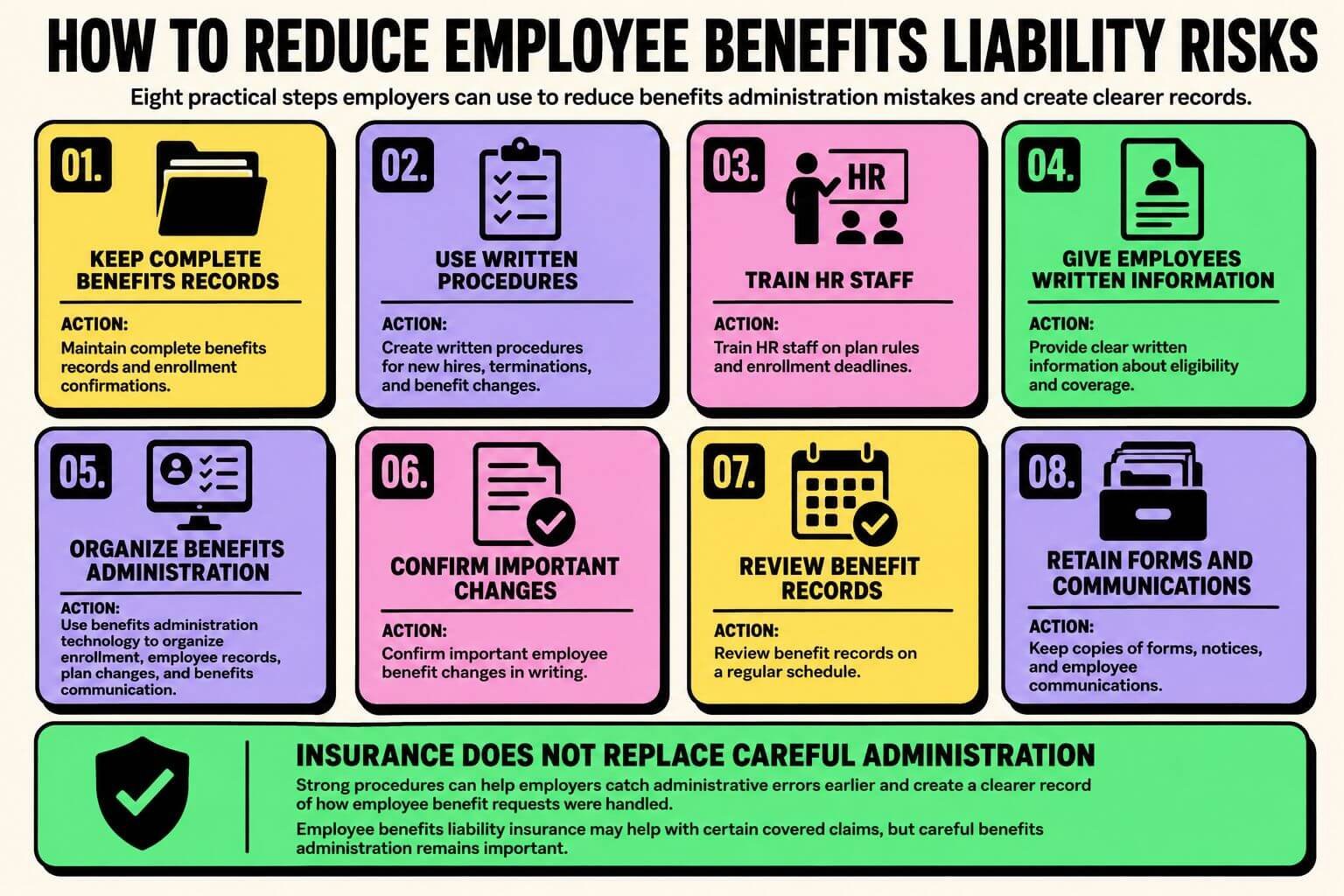
Insurance can help with covered claims, but strong benefits administration can reduce the chance of an error happening in the first place. Employers and HR teams should use clear procedures for enrollment, termination, eligibility changes, and employee requests. Practical steps include:
- Keep complete benefits records and enrollment confirmations.
- Use written procedures for new hires, terminations, and benefit changes.
- Train HR staff on plan rules and enrollment deadlines.
- Give employees clear written information about eligibility and coverage.
- Use benefits administration technology to organize enrollment, employee records, plan changes, and benefits communication.
- Confirm important changes in writing.
- Review benefit records on a regular schedule.
- Keep copies of forms, notices, and employee communications.
These steps can help employers catch administrative errors earlier and create a clearer record of how employee benefit requests were handled.
Is Employee Benefits Liability Insurance Right for Your Business?
If your company offers employee benefits, there is a chance that an administrative mistake could affect an employee’s coverage or financial benefits. EBL insurance may provide useful protection for that risk, especially for businesses that process enrollments, eligibility changes, terminations, and benefit records. Start by reviewing which benefits you offer, who manages them, how records are maintained, and what liability coverage you already carry. Look for gaps between administrative errors, fiduciary claims, and employment-related disputes.
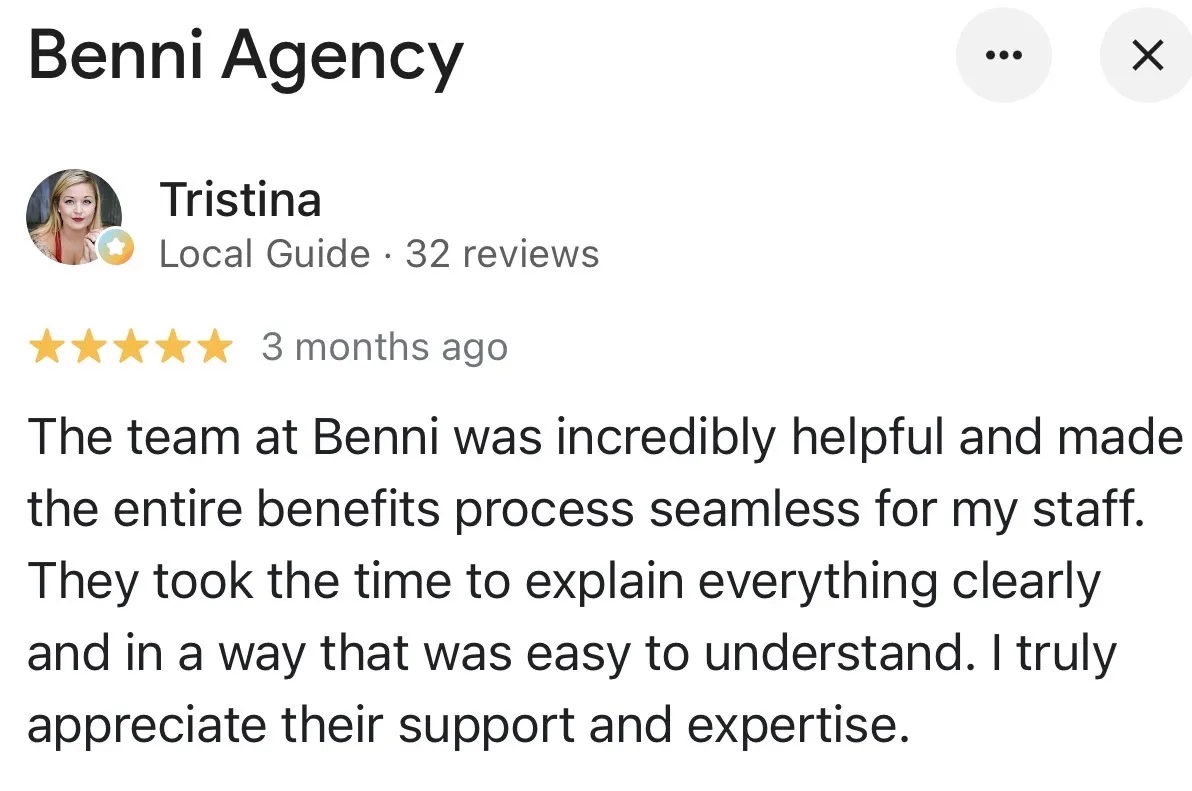
Another employer shared that the benefits process became much easier for the entire staff because each step was explained clearly and questions were handled with care. That kind of support can be especially useful when employers are reviewing detailed coverage terms and trying to make informed decisions.
Benni Agency can help employers review existing coverage, compare policy terms, and identify where employee benefits liability insurance may fit within a broader business insurance program.
3 thoughts on “Employee Benefits Liability Insurance: Risks and Coverage”
Comments are closed.