A supplemental accident benefit pays cash after a covered accidental injury. It works beside health insurance and can help employees handle deductibles, treatment costs, missed work, transportation, childcare, or regular household bills.
For employers and HR teams, this coverage can fill a financial gap left by medical insurance. It does not replace major medical coverage. This guide explains how it works, what it may cover, and what businesses should review before offering a plan.
Key Takeaways
- Supplemental accident benefits pay cash after a covered accidental injury and work alongside health insurance.
- Payments may help with medical and daily costs, including deductibles, transportation, childcare, rent, and groceries.
- Coverage varies by policy, so employers should review exclusions, benefit limits, waiting periods, and claim rules.
- Both health insurance and accident coverage may pay after the same injury through separate claims.
- The best plan fits employee needs, budget, family coverage, portability, and likely out-of-pocket risks.
What Does “Supplemental Accident Benefit” Mean?
A supplemental accident benefit is limited coverage that pays after an eligible accidental injury. Payment may follow a fixed benefit schedule or reimburse approved accident-related expenses up to stated limits. Workers may receive money when medical bills and daily expenses rise at the same time. The policy certificate lists covered injuries, payment amounts, exclusions, deadlines, and limits.
Two Common Types of Supplemental Accident Benefits
Fixed-Cash Accident Benefits
A fixed-cash plan pays a stated amount for a listed injury, treatment, or service. A policy may pay separate amounts for an ambulance ride, emergency room visit, fracture, surgery, hospital admission, or follow-up appointment. The payment follows the plan schedule, not the full medical bill. An employee may receive more or less than the amount left after health insurance pays.
Accident-Expense Benefits
An accident-expense plan pays or reimburses eligible accident costs up to policy limits. The insurer may ask for medical bills, treatment records, and proof of other coverage. Employers should compare reimbursement limits, filing deadlines, provider rules, and required documents.
How Does a Supplemental Accident Benefit Work?
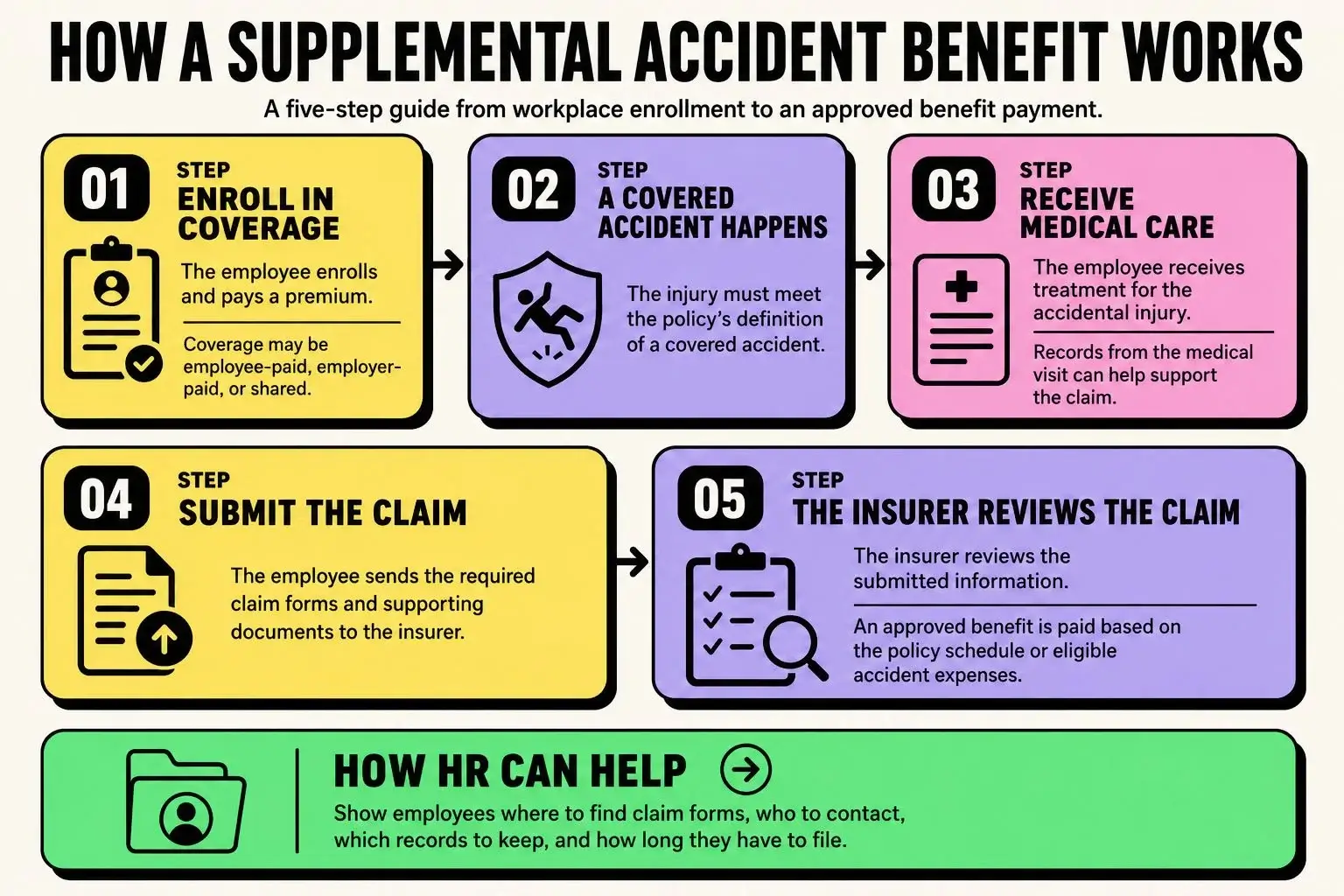
The process usually follows five steps:
- The employee enrolls and pays a premium: Coverage may be employee-paid, employer-paid, or shared.
- A covered accident happens: The injury must meet the policy definition.
- The employee receives medical care: Records from the visit help support the claim.
- The employee submits a claim: Forms and supporting documents go to the insurer.
- The insurer reviews the claim: An approved benefit is paid based on the policy schedule or eligible expenses.
HR teams can help by showing workers where to find forms, who to contact, which records to keep, and how long they have to file.
What Does a Supplemental Accident Benefit Cover?
Coverage often includes accidental injuries and related medical services. Employers should compare actual payment amounts in each policy. Common covered items may include:
- Accidental injuries: fractures, dislocations, burns, cuts, concussions, torn ligaments, eye injuries, or dental injuries
- Emergency services: ambulance transportation, urgent care, emergency room treatment, X-rays, scans, or physician services
- Hospital care: admission, surgery, intensive care, rehabilitation, physical therapy, or follow-up visits
- Serious accidental losses: accidental death, loss of a limb, loss of sight, paralysis, or another listed loss
What Can Supplemental Accident Benefit Money Be Used For?
Use of the money depends on the payment method. A fixed cash benefit is often paid directly to the insured person and may help with:
- Deductibles, copays, or coinsurance
- Prescriptions or medical equipment
- Transportation to treatment
- Childcare during recovery
- Rent, groceries, utilities, or other household bills
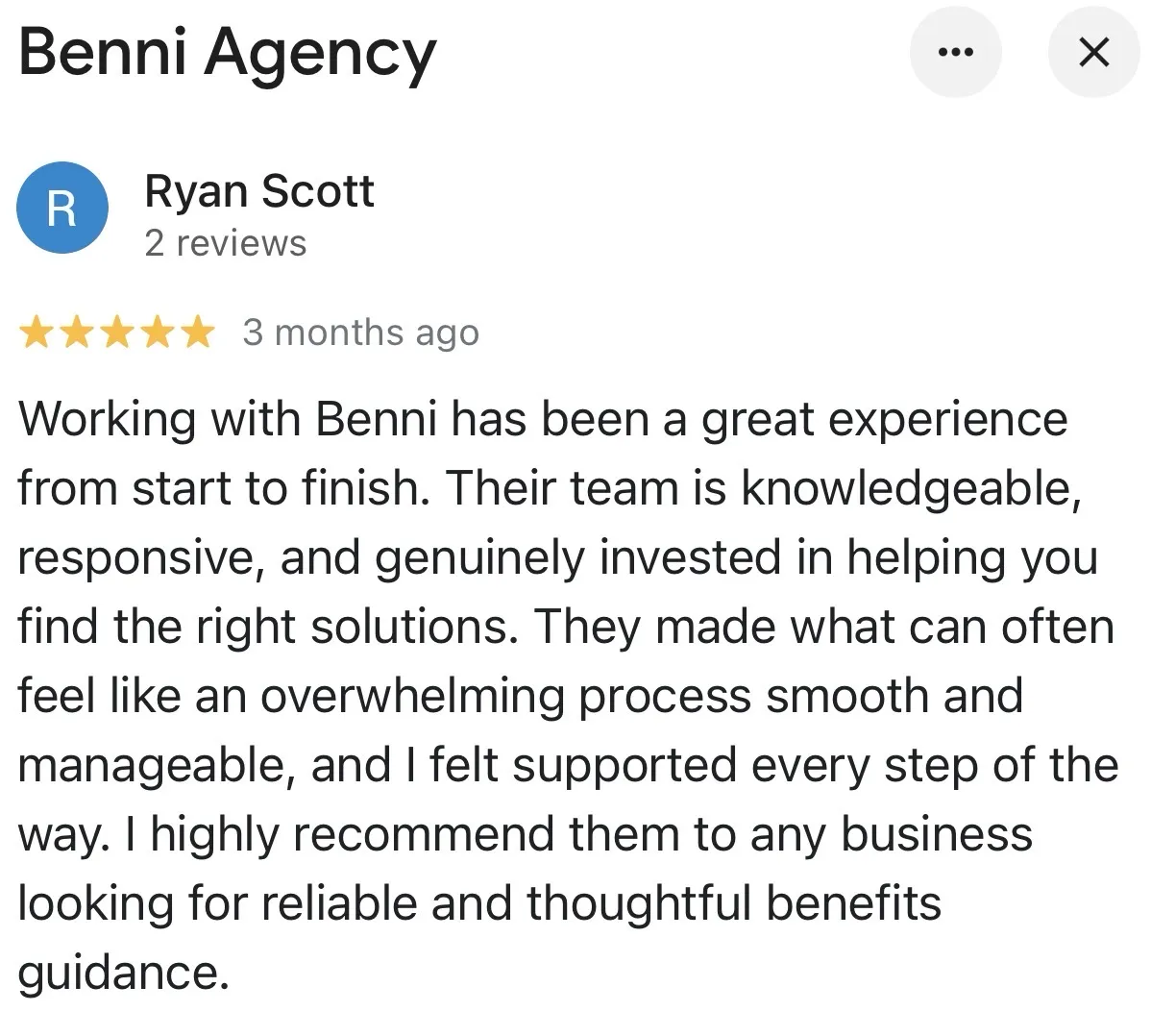
One customer described the benefits process as smooth and manageable from beginning to end. The team provided knowledgeable guidance, responded quickly, and helped make complex choices easier to understand. That level of support can help employees and employers review how accident benefit payments may fit real financial needs.
Expense-based coverage may restrict payment to approved accident charges. The insurer may request itemized bills or proof of treatment. Employees should check who receives payment and which costs qualify.
What Is Not Covered by Supplemental Accident Insurance?
Accident insurance does not cover every injury or medical event. Common exclusions may include:
- Illness-related care: treatment caused by sickness, disease, infection, or a condition that did not result from a covered accident
- Prior injuries: injuries that happened before coverage started
- Intentional injuries: deliberate self-harm or injuries caused on purpose
- Substance-related events: claims linked to intoxication, illegal drug use, or misuse of controlled substances
- Workplace injuries: events that may fall under workers’ compensation
- High-risk activities: racing, parachuting, professional sports, mountaineering, aviation, or other listed activities
Exclusions vary by carrier and policy.
Supplemental Accident Benefit vs. Health Insurance
Health insurance and accident insurance serve different roles.
Health insurance covers a broad range of medical care, including sickness, injuries, preventive services, prescriptions, and ongoing treatment. It may use deductibles, copays, coinsurance, provider networks, and negotiated rates.
Supplemental accident insurance pays limited benefits after a qualifying accident. It may issue a set cash amount based on the injury or treatment listed in the policy.
Both plans may pay after the same accident. Health insurance can process the medical bill, then accident coverage may pay a separate benefit for the fracture, emergency visit, ambulance ride, hospital stay, or follow-up care. Employees may need to file a claim with each insurer.
Supplemental Accident Benefit vs. Other Insurance Types
Different types of voluntary benefits address different risks:
- AD&D insurance: focuses on accidental death or severe losses such as loss of a limb or sight
- Disability insurance: replaces part of a worker’s income when an eligible condition prevents work
- Hospital indemnity insurance: pays for eligible hospital admission or confinement caused by an accident or illness
- Critical illness insurance: pays after a covered diagnosis such as cancer, heart attack, or stroke
Compare what triggers payment, how benefits are calculated, and which gap each product addresses.
How Much Does a Supplemental Accident Benefit Cost?
Cost varies by carrier, coverage tier, benefit amount, age rules, location, dependent coverage, and employer arrangement. Workplace plans may use payroll deductions, employer contributions, or shared funding.
Employers should compare employee-only and family rates, benefit amounts for common injuries, maximum payments, renewal terms, participation rules, optional riders, and portability after employment ends. A side-by-side comparison can show whether the plan offers enough value for the payroll cost.
Who Should Consider Supplemental Accident Coverage?
This coverage may fit employees who would struggle with the financial gap after an injury.
- People with high-deductible health plans may face larger early medical costs.
- Families with active children may value help with urgent care, imaging, braces, therapy, or follow-up visits.
- Self-employed workers may face medical bills and lost income at the same time.
- People with limited emergency savings may need help with rent, groceries, childcare, or transportation during recovery.
One Benni Agency customer praised the clear explanations and patient support received during the benefits process. Clear explanations can help employees judge whether the coverage fits their needs.
Is a Supplemental Accident Benefit Worth It?
It may be worth it for an employee who has a high deductible, limited savings, active dependents, or concern about missed work and household bills after an injury. Employers deciding whether voluntary benefits are worth offering should also compare employee demand, plan costs, coverage limits, and administrative requirements.
Benefits may include direct cash support, payroll deductions, dependent coverage, and payments for common injuries. Drawbacks may include limited payments, exclusions, claim deadlines, and years without a claim. Before enrolling, employees should ask:
- What injuries and services are covered?
- How are benefits calculated?
- Who receives the payment?
- What are the per-accident and yearly limits?
- Are sports injuries covered?
- Can the employee keep the plan after leaving the job?
- Which exclusions apply?
How to Compare Supplemental Accident Benefit Plans
Employers should compare more than the monthly premium. Review these terms side by side:
- Payment method: fixed cash or expense reimbursement
- Benefit schedule: payments for fractures, emergency visits, surgery, hospital care, therapy, and follow-up treatment
- Coverage limits: maximums per injury, accident, year, or covered person
- Waiting periods: coverage start dates and treatment deadlines
- Exclusions: prior injuries, workplace events, substance-related claims, or high-risk activities
- Provider rules: network, referral, or approved facility requirements
- Portability: whether employees can keep coverage after leaving the company
HR teams can compare what each plan would pay for a fracture, emergency visit, imaging, and follow-up care.
How to File a Supplemental Accident Claim
Employees should collect a claim form, medical records, itemized bills, discharge papers, test results, accident reports, and any health insurance statements. Submit the claim through the approved channel, keep copies, record the filing date, and answer requests for more information.
Claims may be delayed when forms are incomplete, records are unreadable, or provider details are missing. A claim may be denied when the event falls outside coverage, treatment began too late, the filing deadline passed, or an exclusion applies. Employees can request a written explanation and review the appeal process listed in the policy.
Why More People Are Choosing Supplemental Accident Benefits
Employees are paying closer attention to coverage that helps with deductibles, missed work, transportation, childcare, and household bills after an injury. For employers and HR teams, this coverage can protect worker budgets without replacing major medical insurance. Clear benefit amounts, visible exclusions, and a simple claim process make the plan easier to use.
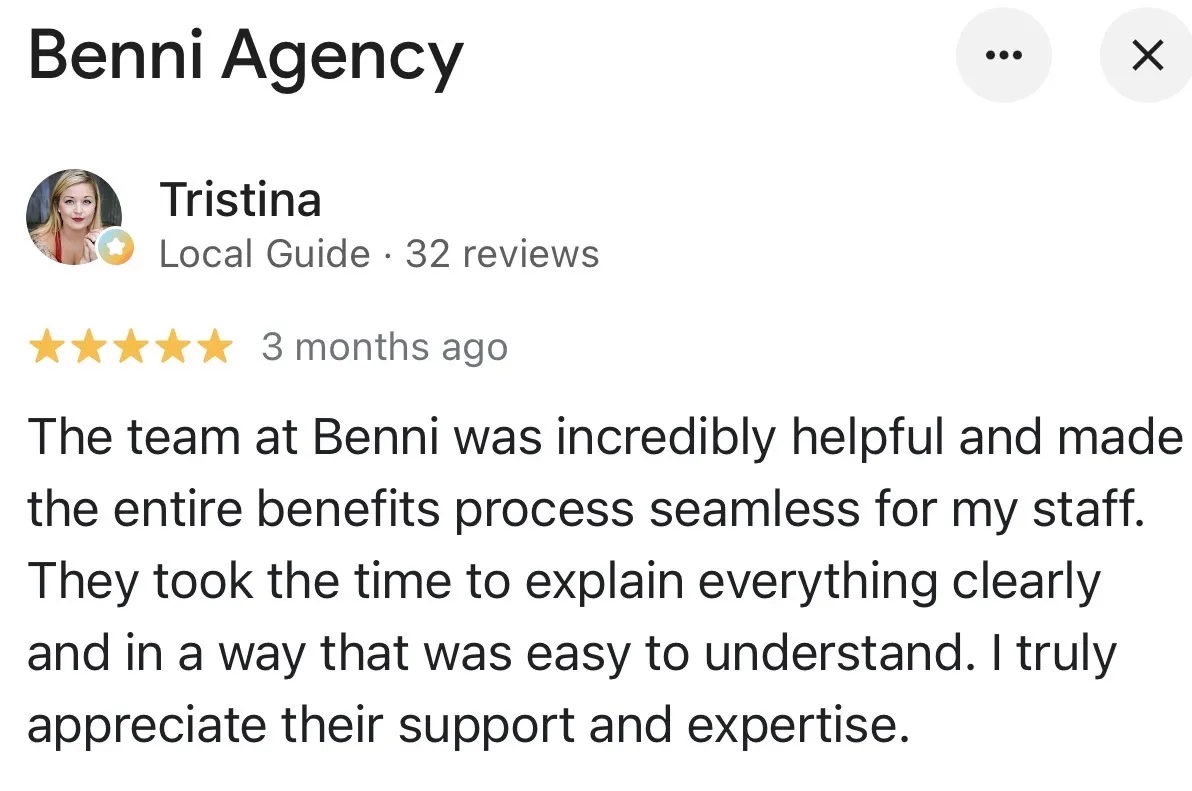
One customer shared that the team made the benefits process seamless for the entire staff. Clear explanations and patient answers helped employees understand their choices without feeling confused or pressured.
Benni Agency helps employers compare supplemental accident benefit options based on workforce needs, cost, portability, benefit schedules, and claim rules. A careful review can help businesses choose coverage employees can understand and use.
One thought on “What Is Supplemental Accident Benefit?”
Comments are closed.