Group legal insurance is a workplace benefit that gives employees access to attorneys for common personal legal needs at a predictable cost. Employers can offer it as a voluntary benefit, with premiums often paid through payroll deductions. For business owners and HR teams, the real question is whether the plan gives employees useful support without adding heavy costs or extra work. Coverage may include wills, family matters, home transactions, debt issues, and minor legal disputes.
This guide explains how group legal insurance works, what it covers, what it may exclude, and how to decide whether it fits your benefits package.
Key Takeaways
- Group legal insurance gives employees access to attorneys for common personal legal matters through a workplace plan, often at a predictable monthly cost.
- Plans may cover estate planning, family law, home transactions, consumer disputes, debt issues, traffic matters, and minor civil cases.
- Coverage limits matter. Employment claims against the sponsoring company, business matters, class actions, appeals, prior cases, and out-of-network services may be excluded.
- Employers should compare covered services, attorney availability, employee costs, family eligibility, exclusions, enrollment support, and payroll setup before choosing a provider.
- Group legal insurance can support employee financial wellness, reduce stress tied to legal problems, and add practical value to a voluntary benefits package.
How Does Group Legal Insurance Work?
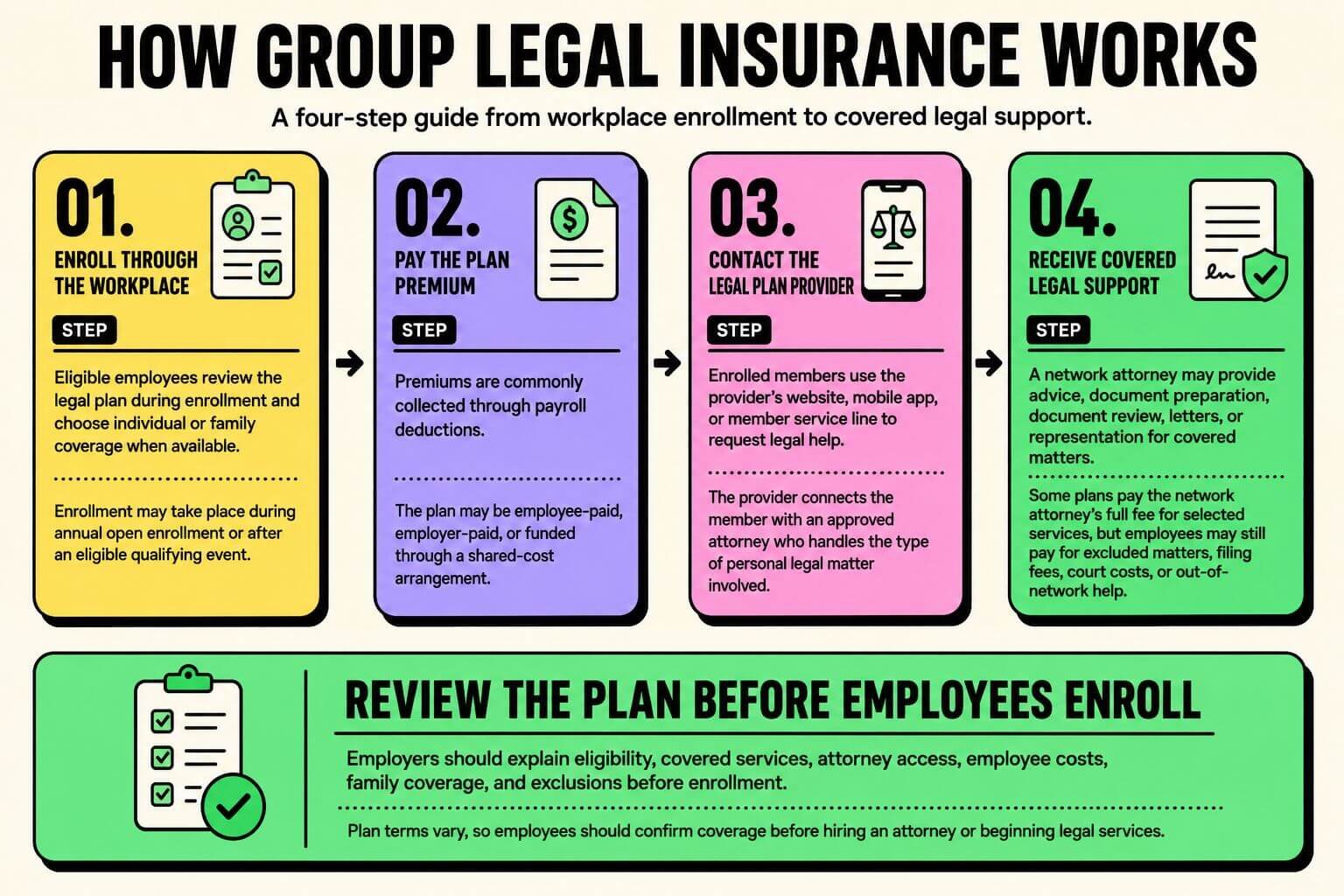
Employers add group legal insurance to their benefits package through a legal plan provider. Eligible employees can review the plan during enrollment, choose individual or family coverage, and access legal help after coverage begins. The plan connects enrolled members with attorneys who provide advice, document support, and representation for covered personal matters.
Employees usually contact the provider through a website, mobile app, or member service line. Plan details vary, so employers should explain eligibility, covered services, attorney access, costs, and exclusions before employees enroll. Clear plan communication helps employees know when and how to use the benefit.
Employees Enroll Through Their Workplace
Employees commonly select legal insurance during annual open enrollment or after a qualifying event. The employer may connect the plan with its benefits platform, enrollment forms, or HR process. Eligibility can depend on employment status and plan rules. Some options extend coverage to a spouse and dependent children, giving the household access to covered legal services.
Premiums Are Usually Paid Through Payroll Deductions
Many legal plans are offered as voluntary employee benefits, with enrolled workers paying a fixed premium through payroll deductions. An employer may pay the full premium or share the expense. A set monthly cost lets employees budget for legal support instead of facing an attorney’s standard hourly charges after a problem occurs.
Members Use a Network of Approved Attorneys
Enrolled employees usually search the provider’s network for an attorney who handles their type of legal matter. Network attorneys may provide consultations, review documents, prepare legal forms, write letters, or represent the member. Employers should check network size, local attorney access, language support, and virtual consultation options before selecting a plan.
Covered Services May Have No Copays or Deductibles
Some plans pay the full attorney fee for covered services completed by a network lawyer. These options may have no copays, deductibles, claim forms, or waiting periods. This feature does not apply to every plan or service. Employees may pay extra for excluded matters, court fees, filing charges, or out-of-network attorneys.
What Does Group Legal Insurance Cover?
Coverage depends on the carrier and plan selected by the employer. Most plans focus on personal legal needs employees may face at different stages of life. Common examples include creating a will, adopting a child, reviewing a home purchase agreement, disputing a consumer debt, or responding to a traffic ticket.
Some services are paid in full through a network attorney. Other matters may qualify for consultations or reduced legal fees. Employers should compare each plan’s coverage schedule instead of relying on a broad service list. Employees need clear examples showing which services are fully covered, partly covered, discounted, or excluded.
Wills, Trusts, and Estate Planning
Estate planning coverage may include wills, living wills, trusts, powers of attorney, and healthcare directives. An employee could use the plan after getting married, having a child, buying property, or caring for an aging parent. Some plans provide document preparation through an attorney, online tools, or a mix of both options.
Family Law and Adoption Services
Group legal plans may cover adoption, guardianship, name changes, prenuptial agreements, and selected divorce matters. Coverage for contested cases, custody disputes, or ongoing cases may be limited. Employers should review the exact family law provisions closely, since attorney hours, court representation, and covered parties can differ from one plan to another.
Home Purchases, Sales, and Lease Matters
Employees may receive legal help with a home purchase, sale, refinance, lease review, or landlord dispute. An attorney can review contracts, explain legal terms, prepare documents, or identify risks before an employee signs. This support can matter during high-cost transactions where one missed clause may create financial or legal trouble later.
Consumer Protection and Debt Issues
Coverage may include help with defective purchases, contractor disputes, debt collection, bankruptcy questions, identity theft, or credit report errors. A network attorney might review the facts, explain available options, prepare a response, or contact the other party. Such support gives employees a clear starting point during stressful financial disputes.
Traffic Violations and Minor Civil Matters
Some plans cover traffic tickets, license matters, small claims, minor civil disputes, and document review. Serious criminal charges, driving under the influence cases, or repeated violations may have different limits. Employers should check whether the plan covers consultations alone or pays for an attorney to appear in court.
What Does Group Legal Insurance Usually Exclude?
A group legal plan does not pay for every legal issue an employee may face. Exclusions protect the plan from conflicts of interest, high-risk litigation, cases outside personal legal needs, and matters that started before coverage. Common limits involve disputes against the employer, commercial activity, class actions, appeals, and cases considered unethical or without legal merit. Filing fees, fines, court costs, and settlements may remain the employee’s responsibility. Out-of-network services may receive reduced reimbursement or no payment. Employers should request a written list of exclusions and share it during enrollment so workers do not mistake limited services for full representation.
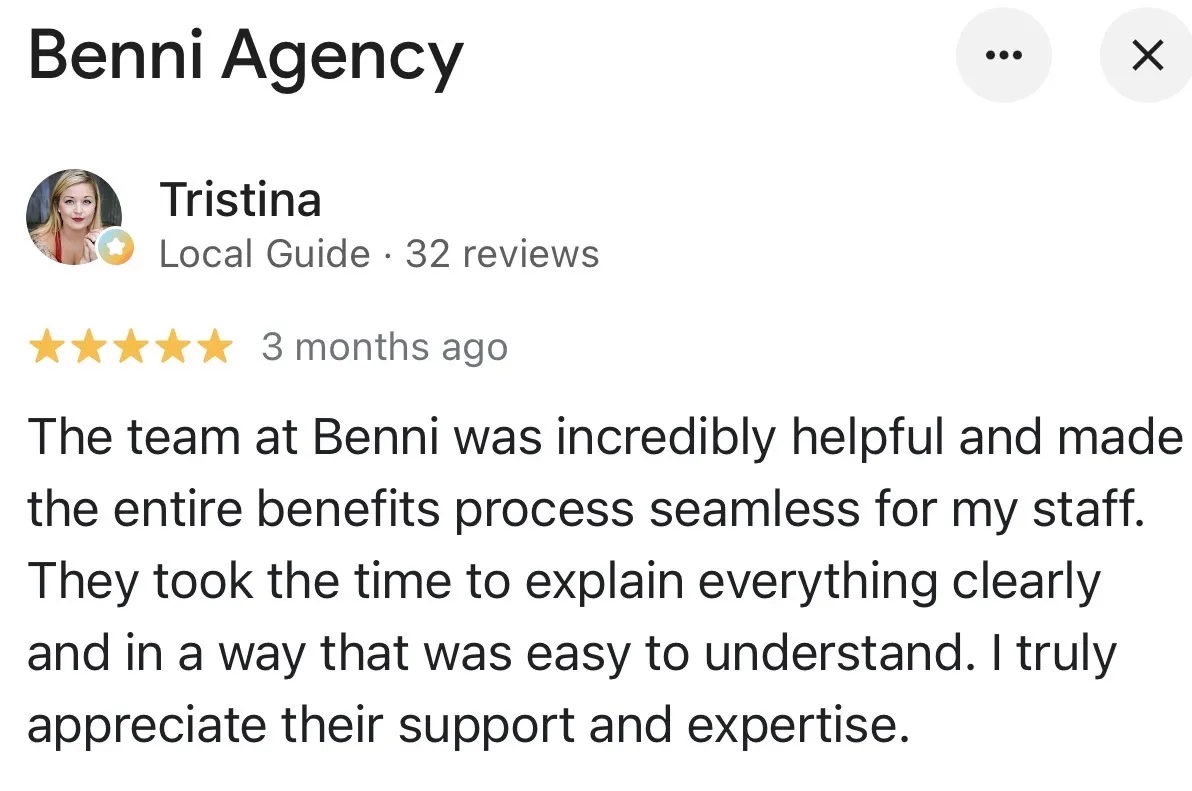
One employer praised the team for making the benefits process feel seamless for the entire staff. Clear, easy-to-follow explanations helped employees better understand their options and gave the employer confidence in the support provided.
Employment Disputes Involving the Employer
Legal plans commonly exclude claims filed against the company offering the benefit. This can include discrimination complaints, wage disputes, termination claims, or conflicts over workplace policies. The exclusion prevents the plan from funding a case against its own sponsoring employer. Employees may need independent legal counsel for these matters.
Business and Commercial Legal Matters
Most group plans focus on personal legal services, not issues tied to an employee’s business, farm, rental operation, or professional work. Contract disputes, business formation, intellectual property claims, and commercial litigation may fall outside coverage. Employees with side businesses should check whether consultations or discounted rates remain available.
Class Actions, Appeals, and Frivolous Claims
Class actions, appeals, contingency-fee cases, and claims lacking a valid legal basis are often excluded. A plan may refuse services connected with illegal conduct or requests that violate professional ethics. Employees should speak with the provider before hiring an attorney, since approval rules can affect whether the plan pays the legal fees.
Pre-Existing or Out-of-Network Legal Matters
A legal issue that began before the employee’s coverage date may receive limited support or no coverage. Using an attorney outside the approved network can create extra costs, lower reimbursement, or full responsibility for the bill. Plan rules vary, so employees should confirm coverage and attorney status before services begin.
How Much Does Group Legal Insurance Cost?
Group legal insurance costs vary by provider, employer contract, coverage level, family eligibility, and funding method. Public employer plans show why one price should not be treated as a market standard. California’s state employee plan lists monthly premiums of $10.61 for individual coverage and $18.47 for family coverage.
Rhode Island lists biweekly premiums of $3.11 for individual coverage and $4.78 for family coverage for employees paid 26 times per year. Employers should request current quotes and check payroll frequency, dependent coverage, attorney fees, service limits, filing costs, and out-of-network charges before selecting a plan.
Employee-Paid, Employer-Paid, and Shared-Cost Plans
Many companies offer legal insurance as an employee-paid voluntary benefit, using payroll deductions to collect premiums. Other employers pay the full cost or contribute part of it. Each method affects the company budget, employee participation, and perceived benefit value. HR teams should compare funding choices before adding the plan to enrollment materials.
Fully Covered Services Versus Discounted Legal Help
A fully covered service means the plan pays the network attorney’s fee for an eligible matter. Some providers list no copays, deductibles, usage limits, or claim forms for covered services. Non-covered, pre-existing, or out-of-network matters may receive a discounted rate instead. Employees can still face court costs and related expenses.
How Does Group Legal Insurance Benefit Employees?
Legal problems often create two concerns for employees: finding a qualified attorney and paying the bill. Group legal insurance gives enrolled workers a clear place to start. Members can contact the provider, locate a network attorney, and request help with an eligible personal matter. This can remove much of the uncertainty tied to attorney searches and hourly fees.
The benefit can serve employees across several life stages, from preparing a first will to resolving a housing or consumer dispute. Plans differ in coverage and service limits, so clear education helps employees use the plan correctly and avoid unexpected expenses.
More Predictable Legal Costs
Employees pay a set premium rather than starting each covered matter with an unknown attorney bill. Network attorney fees may be paid in full for listed services, depending on the plan. This gives workers a clearer view of their likely costs and can make legal assistance feel more financially manageable.
Faster Access to Qualified Attorneys
Finding the right lawyer can take time, particularly for employees facing an urgent personal issue. Legal plans provide access to an established attorney network for advice, document review, and representation. Some providers offer online searches, phone support, and virtual consultations, giving members a more direct path to suitable legal help.
Support for Planned and Unexpected Legal Needs
Some legal needs are planned, such as creating a trust, adopting a child, or buying a home. Others arrive with little warning, such as identity theft, debt collection, or a landlord dispute. A legal plan can provide a familiar process for seeking help across both types of situations.
Why Should Employers Offer Group Legal Insurance?
Employers need benefits that employees can use without creating a large new administrative burden. Group legal insurance can fill a practical gap between financial wellness resources and direct access to professional legal help. A voluntary plan may require little or no employer premium contribution, depending on the chosen arrangement.
Legal insurance can sit beside accident, critical illness, disability, identity protection, and other voluntary options. Employers may pair it with benefits such as group universal life insurance to give employees broader support for legal, financial, and family needs. Group universal life combines workplace life coverage with a cash value feature, subject to the policy terms.
Employees gain support for personal legal matters that could otherwise consume time, money, and attention. For HR teams, the strongest plan is one with clear coverage, fair employee pricing, reliable attorney access, simple enrollment, and useful communication materials. Those features matter more than a long list of services employees may never use.
Adds Value to a Voluntary Benefits Package
Legal insurance can sit beside accident, critical illness, disability, identity protection, and other voluntary options. It gives employees access to a service that core health coverage does not provide. For employers seeking broader benefit choices without paying every premium, an employee-funded legal plan may offer a practical fit.
Supports Employee Financial Wellness
Unexpected attorney fees can place added pressure on an employee’s household budget. A legal plan replaces some open-ended legal costs with a predictable premium and defined services. ARAG reports that three out of four individuals experienced a legal event during a three-year period, showing how common these needs can be.
May Reduce Stress and Workplace Distractions
Employees dealing with legal trouble may spend work hours searching for attorneys, making calls, or trying to resolve documents alone. Access to professional help can give them a clearer next step. ARAG states that legal insurance may reduce absenteeism and time spent handling personal legal matters during work hours.
Can Support Recruitment and Employee Retention
A legal plan will not replace strong pay, health coverage, or workplace culture. It can still show that the employer pays attention to real employee concerns outside the office. ARAG cites survey data showing that 72% of consumers viewed employer access to legal insurance as extremely or somewhat valuable.
How Should Employers Compare Group Legal Insurance Plans?
Employers should compare plans based on services employees are likely to use, workforce size, available budget, and administrative capacity. Review which legal matters are fully covered, discounted, limited, or excluded. Check attorney availability by employee location and legal practice area, including support for remote workers in different states. It can help to review how group size shapes health coverage at the same time, since company size can affect pricing, plan options, funding methods, and employer duties across the wider benefits package. California’s group legal program offers individual and family options, attorney-network access, document tools, and different coverage levels, showing how plan features can vary under one program.
Compare employee premiums, dependent eligibility, out-of-network rules, service limits, virtual consultations, enrollment support, payroll setup, and member assistance. Ask each provider for plan documents, attorney directories, rates, and sample employee materials before making a choice.
Review Covered Services and Exclusions
Compare which matters receive fully paid attorney services, limited hours, or discounted rates. Review estate planning, family law, real estate, consumer disputes, traffic matters, and identity theft support. Check exclusions tied to employment claims, business matters, prior cases, court fees, and out-of-network attorneys. Written details help prevent employee confusion after enrollment.
Check the Attorney Network and Local Availability
A large national network may look appealing, yet employees need attorneys who practice in their state and handle the right legal issue. Search provider directories using employee ZIP codes and common case types. Review virtual meeting options, multilingual support, appointment times, attorney screening, and access for remote workers before selecting a plan.
Compare Employee Costs and Family Coverage
Review the monthly premium, payroll schedule, employer contribution, and charges outside the attorney fee. Check whether spouses and dependent children receive coverage under the same premium. Employers should compare copays, deductibles, service limits, filing fees, and discounted legal rates so employees receive a clear picture of their possible expenses.
Evaluate Enrollment and Administrative Support
Ask how the provider connects with your benefits platform, payroll system, and open enrollment process. Review implementation timelines, eligibility files, employee communications, billing support, and member service channels. Legal Resources permits enrollment through its website, third-party administration, or paper forms, showing why employers should compare setup options across providers.
Is Group Legal Insurance Worth Offering?
Group legal insurance may be worth offering when employees want affordable attorney access and the plan fits the company’s benefits budget. It can serve as an employee-paid voluntary benefit, an employer-paid benefit, or a shared-cost option. The value depends on coverage quality, employee interest, attorney availability, and how clearly the benefit is explained.
ARAG reports that three out of four people experienced a legal event within a three-year period, which shows that personal legal needs are common. Employers should review workforce feedback, current benefits gaps, likely participation, and administrative demands. A plan with useful services and clear access can provide more value than one built around broad claims employees cannot easily use.
How to Add Group Legal Insurance Without Extra Hassle
Start by asking employees whether legal support would help with estate planning, housing matters, family needs, debt issues, or consumer disputes. Next, request proposals from several providers and compare coverage, exclusions, network access, premiums, family eligibility, and enrollment help.
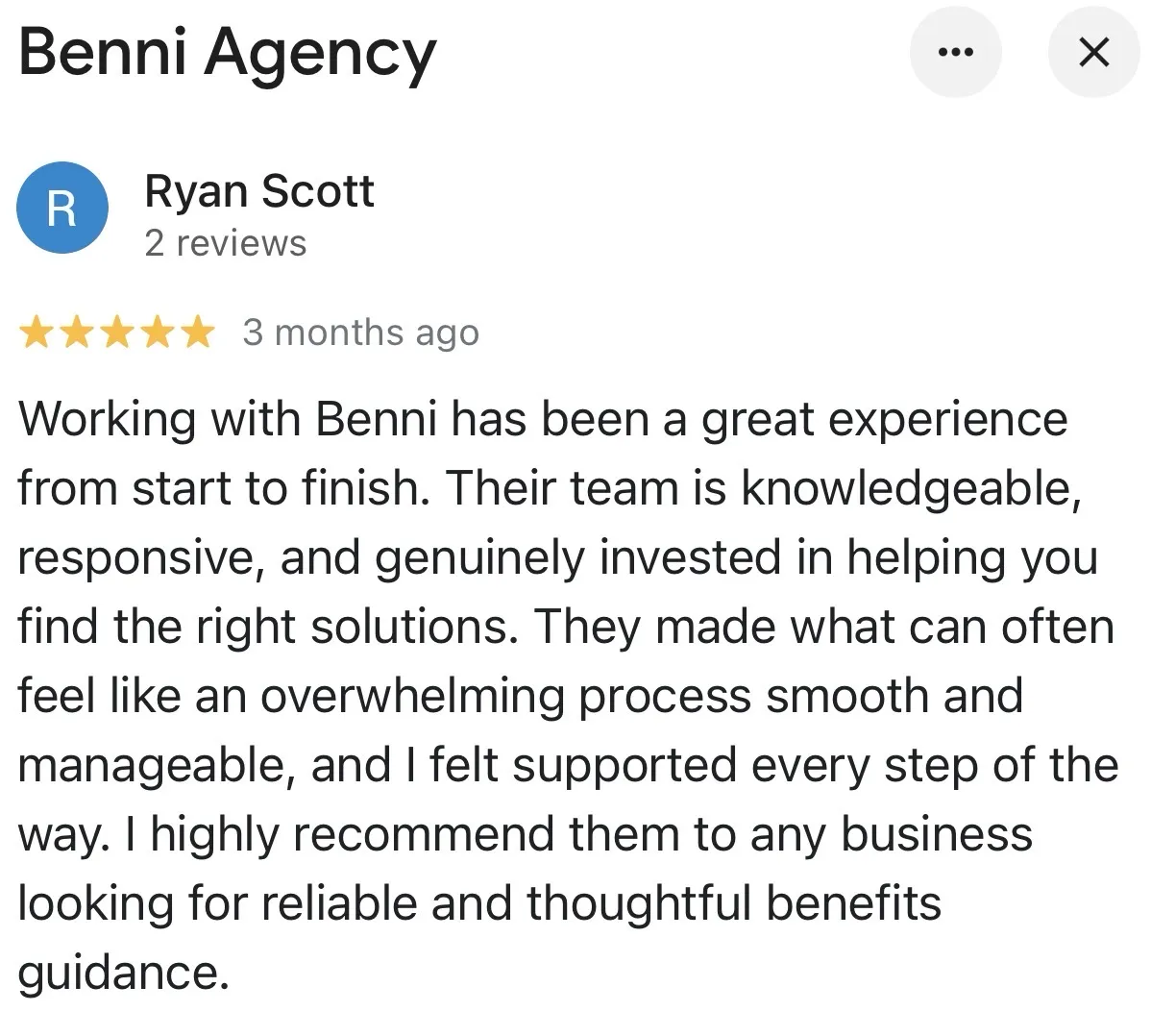
Another customer described the experience as smooth and manageable from beginning to end. Knowledgeable and responsive guidance helped turn a complicated benefits process into a clearer path forward, with support available at each stage.
Benni Agency can help employers review plan options, compare costs, and select coverage that fits their workforce and budget. Choose a funding method that works for your company, then use the right benefits administration technology to connect the plan with payroll, enrollment, and employee records. Give employees a plain-language summary showing what is covered, what costs extra, and how to contact an attorney. After launch, review participation, service questions, and employee feedback before the next enrollment period.
One thought on “What Is Group Legal Insurance?”
Comments are closed.