A voluntary life benefit is optional life insurance that employers can offer employees through the workplace. Employees choose whether to enroll, select an available coverage amount, and usually pay the premiums through payroll deductions.
For employers and HR teams, this benefit can add useful protection without requiring the business to fund the full cost. It gives employees a simple way to add coverage for their families, often at group rates. This guide explains plan terms, enrollment rules, and continuation options to help employees make informed choices and employers build a stronger benefits package.
Key Takeaways
- Voluntary life insurance is optional coverage employees can purchase through an employer’s benefits package.
- Employees usually pay the premiums through payroll deductions, though some employers may contribute.
- Coverage can include term or permanent life insurance, depending on the plan offered.
- Plan details matter, including eligibility, coverage limits, portability, medical requirements, and dependent options.
- Benni Agency can help employers compare plans and choose coverage that fits employee needs, budget, and benefits goals.
What Is a Voluntary Life Benefit and How Does It Work?
A voluntary life benefit is optional life insurance offered through an employer’s benefits package. Employees decide whether to enroll and select coverage from the amounts available under the plan. Premiums are commonly taken from each paycheck, making payment simple and consistent.
If a covered employee dies, the insurer pays a death benefit to the named beneficiary. Employees can use this coverage to add protection beyond any basic life insurance provided by the employer. The process usually follows four steps:
- The employer selects a group life insurance plan.
- Eligible employees review the available coverage.
- Employees enroll and name their beneficiaries.
- Premiums are deducted through payroll.
Plan rules can differ by insurer, including coverage limits, enrollment periods, medical questions, and continuation options.
How Is Voluntary Life Insurance Different From Basic Employer-Paid Life Insurance?
Basic employer-paid life insurance gives employees a set amount of coverage, often based on salary or a fixed dollar amount. The employer commonly pays all or part of the premium, and eligible employees may receive the coverage automatically.
Voluntary life insurance works as added coverage that employees choose and usually pay for themselves. It may offer several coverage amounts, giving employees more control over the protection they select. The main differences include:
- Basic life insurance: Often funded by the employer
- Voluntary life insurance: Usually funded by the employee
- Basic coverage: May be automatically included
- Voluntary coverage: Requires active enrollment
- Basic coverage amount: Often fixed
- Voluntary coverage amount: May offer several choices
This difference matters for HR teams planning a benefits package that supports employees with different family and financial needs.
What Types of Voluntary Life Coverage Can Employers Offer?
Among the different types of voluntary benefits, employers may offer term life insurance, permanent life insurance, or both. The right option depends on the insurer, workforce needs, budget preferences, and plan design. Term coverage often costs less and provides protection for a set period or during eligible employment. Permanent coverage can remain active for life if premiums continue and may build cash value.
One employer described working with the team as a positive experience from beginning to end. Clear explanations, responsive service, and thoughtful guidance made a complicated benefits process feel much easier to manage. That kind of support can help employers compare coverage choices without feeling overwhelmed.
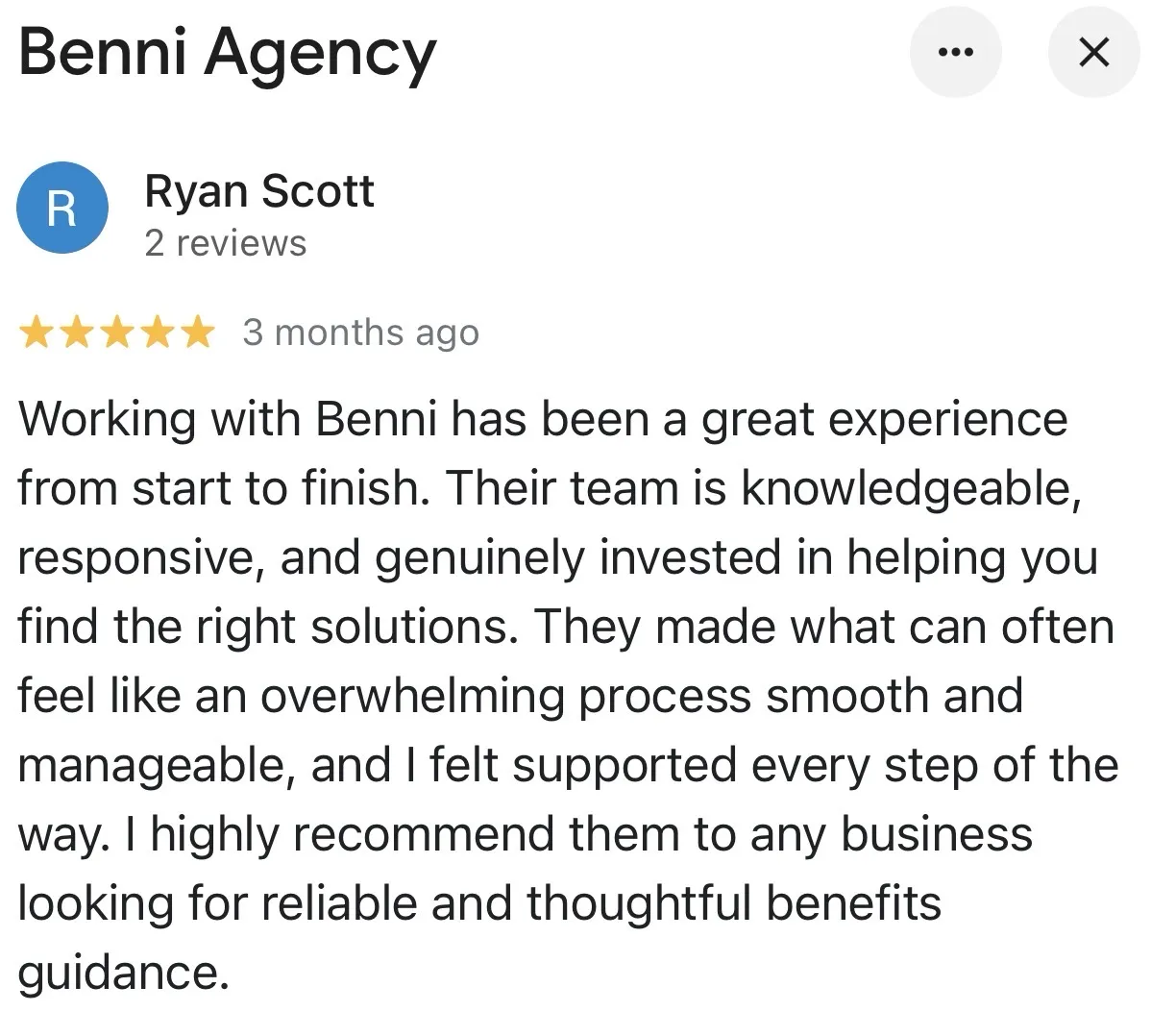
Employers should compare more than premium rates. Coverage limits, age-based pricing, dependent options, medical requirements, and portability rules can affect how useful the benefit is for employees. Clear communication helps employees compare the choices and select coverage that fits their needs.
Voluntary Term Life Insurance
Voluntary term life insurance provides coverage for a stated period or under the terms of the employer’s group plan. It pays a death benefit if the insured employee dies during the active coverage period. Term life does not build cash value. Its lower cost can make it a practical choice for employees seeking extra protection for income replacement, debts, housing costs, or dependent care.
Voluntary Permanent or Whole Life Insurance
Voluntary permanent life insurance may provide lifelong coverage when required premiums remain paid. Whole life is one form of permanent insurance and can build cash value over time. Premiums are often higher than term life premiums. Employees should review cash value rules, payment requirements, policy fees, and coverage continuation terms before choosing this option.
Who Can Enroll and How Are Voluntary Life Premiums Paid?
Eligibility depends on the employer’s plan rules. Full-time employees are often eligible, though some plans may include part-time workers, spouses, and dependent children. Employees may enroll:
- When they first become eligible
- During annual open enrollment
- After a qualifying life event, such as marriage or the birth of a child
Premiums are commonly deducted from the employee’s paycheck. The amount depends on age, coverage level, tobacco status, and plan design. Some employers contribute part of the cost, though many voluntary plans are fully employee-paid. Higher coverage amounts may require evidence of insurability, such as health questions or medical records. HR teams should explain these rules clearly so employees know what is required before selecting coverage.
What Benefits Can Voluntary Life Insurance Provide?
Voluntary life insurance can give employees extra financial protection beyond basic workplace coverage. It can help replace lost income, cover household bills, pay funeral costs, or support dependents after the insured person dies. For employers, the benefit can strengthen the overall package without adding the full cost of another employer-paid policy. Employees gain more choice, and HR teams can offer coverage suited to different family and financial situations.
A client review of Benni Agency praised the team for being responsive, helpful, and clear throughout the benefits process. That type of support matters when employees need simple answers about coverage, enrollment, and plan terms. The value of the benefit depends on clear communication, fair pricing, useful coverage limits, and easy enrollment.
Benefits for Employees
Employees may gain access to group pricing, simple payroll payments, and coverage choices that fit different needs. Some plans offer spouse or dependent coverage, giving families another layer of financial protection. Certain coverage amounts may be available without a medical exam. This can help employees who may find individual coverage harder or more expensive to obtain.
Benefits for Employers
Employers can offer a broader benefits package without paying every premium. Voluntary life insurance gives workers more choice and can support recruitment, retention, and employee satisfaction. For many businesses, these features make voluntary benefits worth offering as part of a flexible employee benefits package. The benefit may fit well with existing medical, disability, and retirement offerings. Clear enrollment materials can help employees see how each benefit works together.
What Limitations Should Employers and Employees Review?
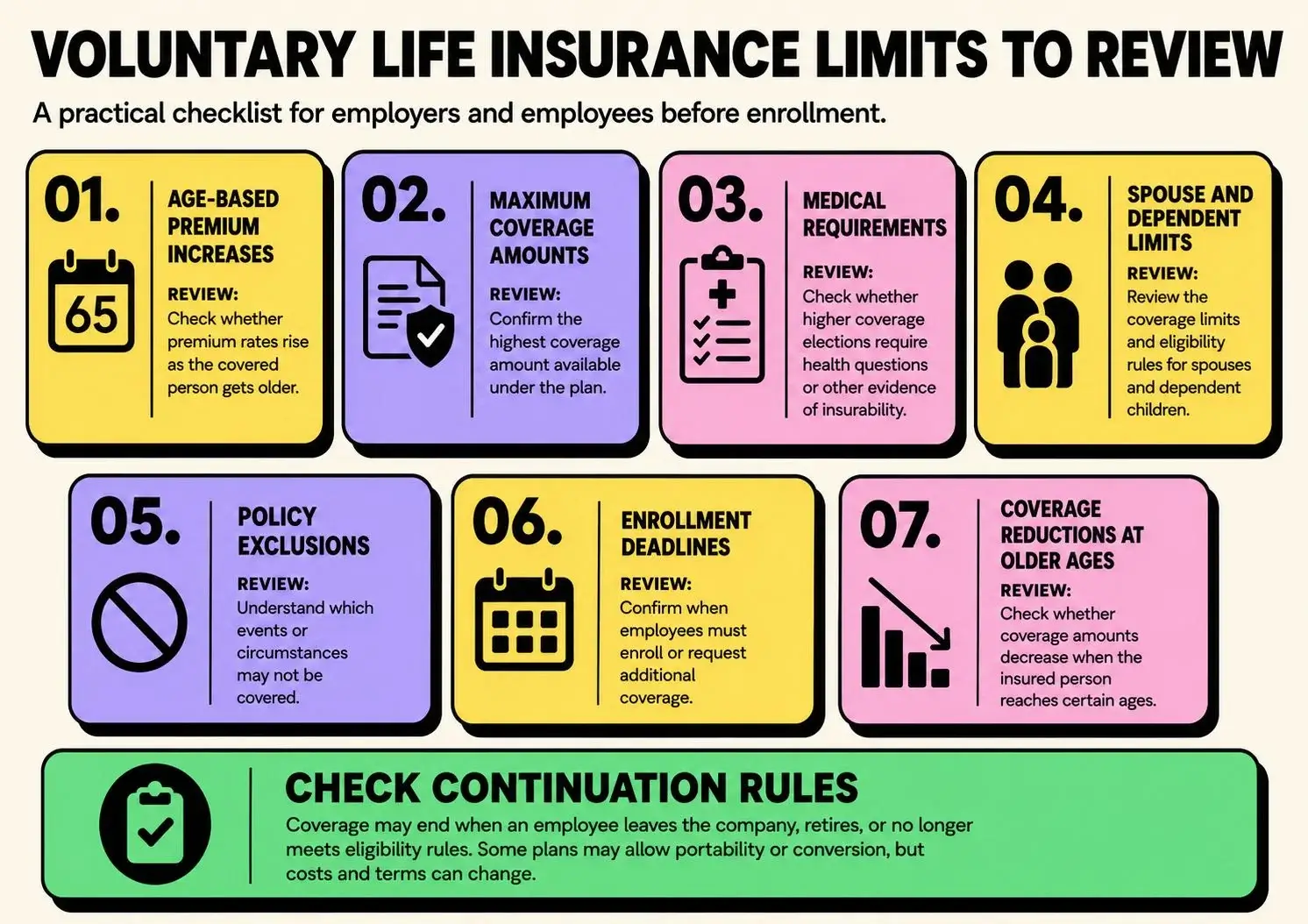
Voluntary life insurance has limits that should be reviewed before enrollment. Coverage may end when an employee leaves the company, retires, or no longer meets eligibility rules. Some plans allow portability or conversion, but the new cost may be higher. Other points to review include:
- Age-based premium increases
- Maximum coverage amounts
- Medical questions for higher elections
- Spouse and dependent limits
- Policy exclusions
- Enrollment deadlines
- Coverage reductions at older ages
Employees should check their plan documents before leaving a job, since continuation and conversion rules may include short deadlines. The South Carolina PEBA Insurance Benefits Guide gives an official example of how eligibility, enrollment, premium payments, and post-employment life insurance options may work. Employers and HR teams should explain these terms clearly so employees know what happens to their coverage after a job change and whether the policy meets their longer-term needs.
How Should Employers Choose a Voluntary Life Insurance Plan?
Employers should compare plan value, employee needs, and administrative requirements before selecting coverage. The lowest premium may not offer the clearest terms or the best employee experience. Review these points during the selection process:
- Coverage choices: Are the available amounts useful for different income levels?
- Guaranteed issue limits: How much can employees select without health questions?
- Dependent options: Can employees cover a spouse or child?
- Portability: Can coverage continue after employment ends?
- Premium structure: Do rates rise with age?
- Enrollment support: Are materials clear and easy to use?
- Payroll setup: Can deductions be managed without extra work?
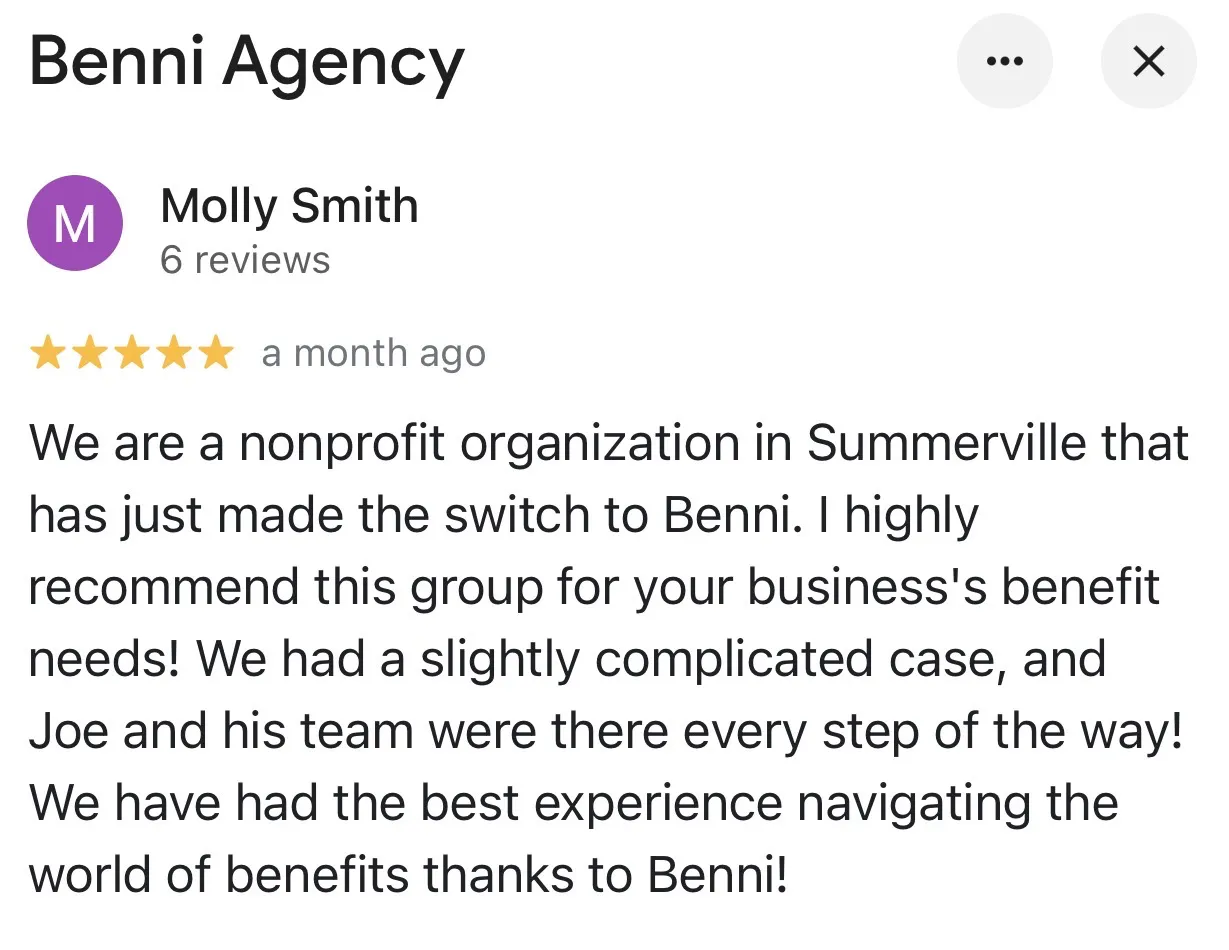
One employer shared that even a complicated benefits situation became easier because the team stayed involved throughout the process and provided steady, knowledgeable guidance at every step. This kind of support can help HR teams make more confident decisions and avoid unnecessary confusion during implementation.
Benni Agency can compare carriers, explain plan terms, and help HR teams choose voluntary life coverage that fits the workforce, budget, and company benefits strategy.