Motor truck cargo insurance may cover stolen freight, but spoiled freight is not automatically protected. Theft coverage depends on the policy’s insured causes of loss and security conditions, while temperature-related damage may require refrigeration breakdown or temperature-change coverage.
For trucking companies, owner-operators, and fleet managers, the difference matters because a single shipment can lead to a costly customer claim. Understanding cargo insurance coverage helps businesses recognize potential gaps before accepting freight. This guide explains when theft or spoilage may qualify for coverage, which exclusions matter, and what to do after a loss.
Key Takeaways
- Stolen freight may be covered. Motor truck cargo insurance can respond to theft when policy conditions and applicable security requirements are satisfied.
- Spoiled freight needs closer review. Temperature-related losses may require refrigeration breakdown or other specific coverage provisions.
- Policy exclusions affect protection. Unattended vehicles, restricted commodities, and cargo sublimits can influence claim payments.
- Claims require documentation. Shipping records, police reports, photographs, and temperature logs can help establish the circumstances of a loss.
- Insurance requirements vary. Federal regulations, South Carolina carrier classifications, and customer contracts may establish different cargo insurance obligations.
What Does Motor Truck Cargo Insurance Generally Cover?
Motor truck cargo insurance helps protect against covered loss of or damage to freight transported by a motor carrier. It commonly addresses goods in the carrier’s custody during covered transportation, although loading, unloading, and temporary storage may have separate conditions. Depending on the policy, covered losses may involve theft, fire, collisions, or truck overturning.
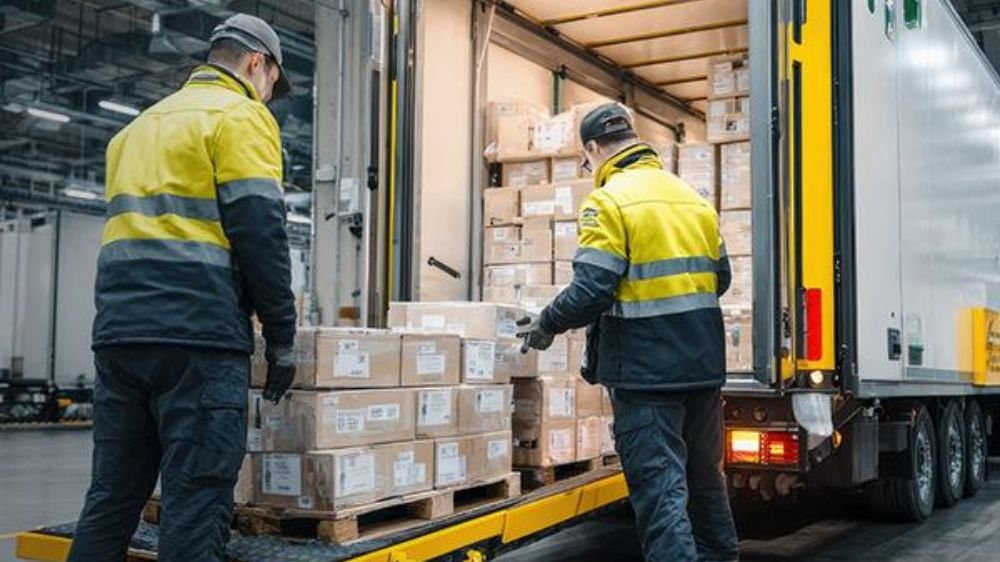
Some policies cover only specifically listed causes of loss, while others provide broader protection subject to exclusions. Coverage limits, deductibles, and cargo restrictions determine how much protection is available. For example, a trucking company working with an insurance broker in Georgetown, SC can review its commercial auto and cargo policies to understand how each applies to different losses. Commercial auto insurance generally protects against covered vehicle-related risks, while cargo insurance addresses specified losses involving transported freight.
Does Motor Truck Cargo Insurance Cover Stolen Freight?
Yes, motor truck cargo insurance can cover stolen freight when theft is an insured cause of loss and the incident meets the policy’s requirements. Coverage depends on where the theft occurred, who had custody of the shipment, and whether the carrier followed applicable security conditions. A theft involving an insured shipment during transportation may qualify for coverage. For example, if someone breaks into a locked trailer and removes merchandise, the resulting loss may be covered when the policy includes theft protection and its conditions are satisfied.
The insurer may review shipping documents, vehicle location records, police reports, and other evidence to determine whether the loss qualifies. Coverage also depends on the type of freight transported. Electronics, jewelry, and other high-value goods may have restrictions, special limits, or additional security requirements. Carriers should distinguish cargo theft from vehicle theft. Motor truck cargo coverage concerns the goods being transported, while commercial auto physical damage insurance generally addresses damage to or loss of the insured vehicle. Reviewing these distinctions before accepting freight helps carriers understand which incidents their insurance may cover.
When Theft During Transit or From a Parked Truck May Be Covered
Theft during transit may be covered when insured freight is stolen while under the carrier’s covered custody. Cargo stolen from a parked truck may also qualify, provided the vehicle meets the policy’s parking and security requirements. Insurers may examine whether doors were locked, the truck was attended, and any required protective measures were followed.
Theft Situations That May Not Qualify for Coverage
Some motor truck cargo policies restrict losses involving unattended vehicles, unsecured trailers, employee dishonesty, or fraudulent freight pickups. Coverage may also be limited when merchandise disappears without evidence of theft. High-value cargo can have separate restrictions or sublimits. Carriers should review the exact policy language because these exclusions and conditions differ between policies.
Does Motor Truck Cargo Insurance Cover Spoiled Freight?
Motor truck cargo insurance may cover spoiled freight, but coverage depends on what caused the damage. A shipment spoiled by a covered accident may qualify, while ordinary deterioration, delivery delays, or refrigeration problems may fall outside standard protection. This distinction matters for carriers transporting food, pharmaceuticals, and other temperature-sensitive products.
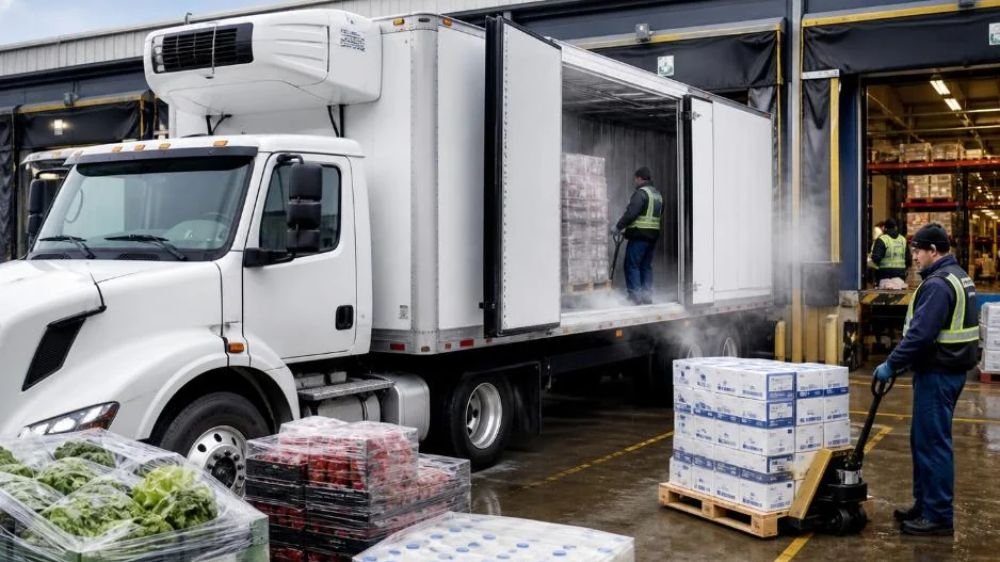
For example, frozen food that becomes unusable after a covered collision may be treated differently from food that spoils because a refrigeration unit stops working. Some policies offer additional protection for refrigeration breakdown or temperature changes. These provisions may cover qualifying equipment failures that cause cargo damage. Carriers should confirm whether spoilage coverage applies to their actual freight, equipment, and operating conditions. A policy covering refrigerated goods does not necessarily cover every temperature-related loss.
Spoilage Following a Covered Accident or Other Insured Event
Spoilage resulting from a covered collision, fire, or truck overturning may qualify for motor truck cargo coverage. For example, an accident that physically damages refrigerated goods may trigger coverage if the loss meets the policy’s terms. Insurers may distinguish damage directly caused by the accident from spoilage resulting from delays or excluded temperature changes.
Refrigeration Breakdown and Temperature-Change Coverage
Refrigeration breakdown coverage, sometimes called reefer breakdown coverage, may protect temperature-sensitive freight following a qualifying equipment failure. An endorsement is a policy amendment that changes or adds coverage. Refrigeration endorsements may exclude losses caused by poor maintenance, incorrect settings, or fuel shortages. Temperature records and equipment maintenance documentation can help establish what caused the spoilage.
Check Your Cargo Coverage Before the Next Load
Transporting valuable or refrigerated freight? Review your current policy’s theft restrictions, refrigeration endorsements, and coverage limits. Benni Agency can help businesses discuss cargo-related risks as part of a broader business and commercial insurance review.
What Should Georgetown, SC, Carriers Check When Hauling Freight on US 17 and US 521?
Motor carriers operating through Georgetown, South Carolina, should confirm that their cargo insurance matches their transportation routes, shipment values, and planned stops. Georgetown County’s 2023 Transportation Element identifies US 17 as a major coastal route and US 521 as a connection from Georgetown toward Andrews and Williamsburg County.
Carriers using these routes should review policy conditions involving unattended vehicles, temporary storage, and overnight parking. Businesses hauling refrigerated freight should also confirm temperature-monitoring procedures and whether refrigeration breakdown coverage applies throughout their transportation operations.
South Carolina’s Department of Motor Vehicles states that qualifying intrastate Class E-LC carriers have a $5,000 cargo insurance requirement for loss or damage to property carried on any one vehicle. This requirement does not apply to every carrier or necessarily reflect the full value of a shipment. Georgetown carriers should compare their actual cargo exposures with policy limits and review applicable federal requirements and customer contracts.
Review Your Motor Truck Cargo Insurance for Theft and Spoilage Gaps
Cargo insurance requirements and shipment values can differ. Reviewing theft restrictions, refrigerated-freight endorsements, and coverage limits can help identify questions before your next delivery. Benni Agency can help you review your commercial insurance needs and discuss available coverage options.
Which Motor Truck Cargo Policy Exclusions and Limits Should You Review?
Motor truck cargo insurance policies may contain exclusions, deductibles, and limits that affect claim payments. Reviewing these details helps carriers understand how their coverage applies to different freight and transportation arrangements. Important provisions include:
- Cargo exclusions: Restrictions involving perishables, valuable merchandise, or particular commodities.
- Coverage limits: The maximum amount payable under specified policy terms.
- Deductibles: The amount the insured must pay toward a covered loss.
- Security conditions: Requirements involving parking locations, vehicle locks, and unattended equipment.
- Coverage endorsements: Added protection for refrigeration breakdown, temperature changes, or other specified risks.
Carriers should also check how cargo value is determined after a loss. Benni Agency’s commercial truck insurance guide explains how cargo protection fits alongside other trucking insurance coverages.
What Should You Do After Freight Is Stolen or Spoils in Transit?
After freight is stolen or spoiled, notify the insurer promptly and preserve evidence of the loss. The insurance policy may specify reporting requirements, documentation procedures, and deadlines. Useful steps include:
- Report the incident: Contact the insurer and notify the shipper as required. Report suspected theft to law enforcement.
- Preserve shipping records: Keep bills of lading, invoices, delivery documents, and shipment details.
- Document the damage: Take photographs and retain available vehicle location records, temperature logs, and equipment maintenance information.
- Prevent further damage: Follow reasonable preservation measures and obtain guidance before disposing of damaged goods.
For applicable motor-carrier claims, 49 CFR § 370.3 establishes minimum written claim requirements. Freight claims against a carrier and claims submitted to a cargo insurer are separate processes.
How Is Motor Truck Cargo Insurance Different From Carrier Liability and Commercial Auto Insurance?
Motor truck cargo insurance addresses specified losses involving freight, while commercial auto insurance covers different risks associated with business vehicles. Commercial auto liability insurance generally covers qualifying claims involving injuries to others or damage to their property. Physical damage coverage may protect insured vehicles against covered accidents, theft, or other losses. Benni Agency’s commercial auto insurance guide explains these differences.
Carrier liability refers to a transportation company’s legal responsibility for freight. Under 49 U.S.C. § 14706, certain carriers may be liable for lost or damaged goods, subject to applicable legal provisions. That legal responsibility does not automatically mean an insurance policy will pay the claim. Benni Agency’s BIPD insurance guide explains bodily injury and property damage (BIPD) liability coverage, which serves a different purpose from cargo protection.