BIPD insurance provides bodily injury and property damage liability coverage when a motor carrier is legally responsible for a covered vehicle accident. It helps pay for injuries to other people and damage to their property, subject to policy terms and limits.
For trucking companies, owner-operators, and employers managing commercial drivers, the right coverage also affects operating authority and contractual obligations. The Federal Motor Carrier Safety Administration (FMCSA) sets financial responsibility requirements for certain carriers, while state regulations may impose separate obligations. Understanding BIPD insurance helps business owners evaluate coverage, meet applicable requirements, and plan insurance costs.
Key Takeaways
- BIPD insurance covers third-party liability for bodily injuries and property damage resulting from covered commercial vehicle accidents.
- FMCSA minimum liability requirements vary by operating classification, vehicle weight, and the type of cargo transported.
- South Carolina has separate intrastate requirements that qualifying Mount Pleasant motor carriers must review alongside applicable federal rules.
- BIPD insurance costs depend on risk factors, including driving history, vehicles, cargo, operating radius, and coverage limits.
- Motor carriers should verify insurance filings and review policy terms before assuming their coverage meets regulatory and contractual requirements.
What Is BIPD Insurance?
BIPD insurance stands for bodily injury and property damage insurance. It refers to commercial auto liability coverage that protects motor carriers against certain third-party claims arising from accidents involving their vehicles. This coverage is commonly part of a commercial trucking liability policy. It helps address financial responsibility when a covered accident injures another person or damages property belonging to someone else.
For example, if a trucking company’s driver causes a collision involving another vehicle, BIPD coverage may help pay for the other driver’s injuries and vehicle repairs. BIPD insurance is particularly relevant to for-hire trucking companies, owner-operators, and motor carriers subject to federal or state financial responsibility rules. It is one component of broader business and commercial insurance protection, which may include coverage for vehicles, cargo, business property, and other operational risks.
What Does BIPD Insurance Cover?
BIPD insurance covers certain bodily injury and property damage claims when a motor carrier is legally responsible for a covered accident involving a commercial vehicle. The coverage generally addresses two types of third-party liability: injuries to other people and damage to property they own. Depending on the policy, it may pay covered medical expenses, repair costs, settlements, judgments, and legal defense expenses.
For example, when a delivery truck causes a collision, BIPD coverage may respond to the other driver’s injuries and damage to their vehicle. It does not automatically pay to repair the insured truck. The protection is generally included within a commercial auto insurance policy. The amount available depends on the liability limits, exclusions, and conditions stated in the policy.
Bodily Injury Liability Coverage
Bodily injury liability coverage helps pay for covered claims involving injuries or death caused to other people in a commercial vehicle accident. Depending on the circumstances, covered damages may include medical treatment, rehabilitation expenses, lost wages, and compensation related to serious injuries. Legal defense costs and settlements may also be covered, subject to policy terms and applicable limits.
Property Damage Liability Coverage
Property damage liability coverage helps pay for damage a commercial vehicle causes to another person’s property during a covered accident. This can include damage to passenger vehicles, buildings, fences, guardrails, and other structures. For example, if a truck strikes a parked vehicle, the coverage may pay for repairs or replacement, subject to liability and policy conditions.
Questions About Commercial Auto Liability Coverage?
Understanding which claims your commercial auto policy covers can help you identify gaps before an accident occurs. We can help business owners review liability limits, coverage terms, and related commercial insurance needs.
What Does BIPD Insurance Not Cover?
BIPD insurance generally does not cover damage to the insured motor carrier’s own vehicles, cargo being transported, or work-related injuries to its employees. Those risks may require separate insurance protection, such as:
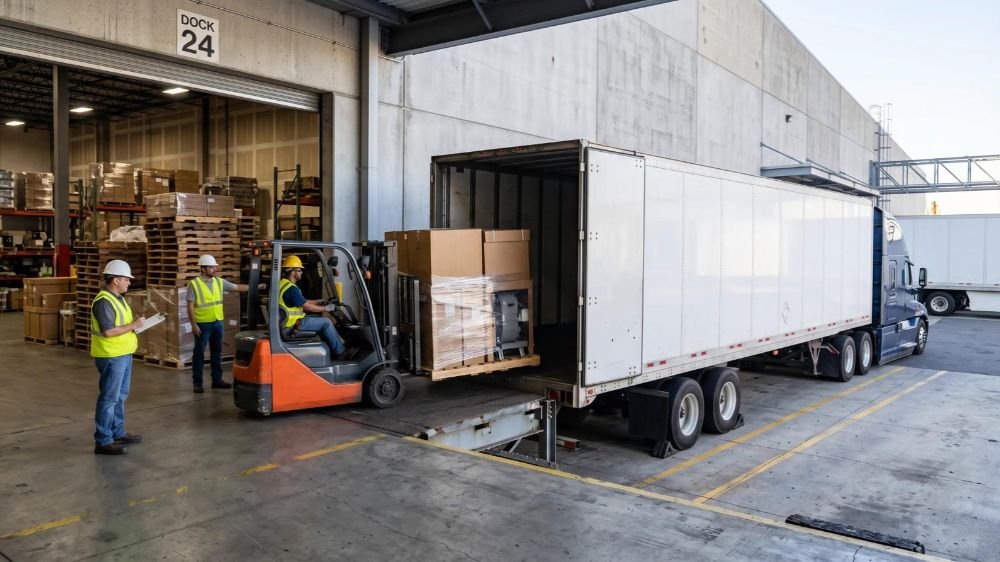
- Physical damage insurance: Covers certain losses involving the insured truck, including collision damage, theft, and other covered incidents.
- Motor truck cargo insurance: Addresses covered loss of or damage to freight during transportation.
- Workers’ compensation insurance: Provides benefits for qualifying work-related employee injuries and illnesses.
BIPD also differs from general liability insurance, which may cover certain business-related claims outside vehicle operations. A trucking company based in Mount Pleasant, SC, may have BIPD liability coverage but still need separate protection for its trucks and cargo. Reviewing these coverage differences with an insurance agency in Mount Pleasant, SC can help the business understand which risks require additional insurance. Actual exclusions depend on the insurance contract, vehicle use, and applicable endorsements.
What Are the FMCSA Minimum BIPD Insurance Limits?
FMCSA minimum BIPD insurance requirements depend on a motor carrier’s operating classification, vehicle weight, and type of cargo. Under the agency’s 2026 filing guidance and Title 49 of the Code of Federal Regulations (49 CFR), applicable financial responsibility amounts include:
| Motor carrier category | BIPD insurance requirement |
| Certain for-hire nonhazardous property carriers with a gross vehicle weight rating below 10,001 pounds | $300,000 |
| For-hire interstate nonhazardous property carriers with a gross vehicle weight rating of 10,001 pounds or more | $750,000 |
| Carriers transporting specified hazardous materials | $1,000,000 |
| Carriers transporting certain higher-risk hazardous materials | $5,000,000 |
FMCSA lists the $300,000 category in its operating-authority insurance filing chart. The applicability provisions in 49 CFR § 387.3 exclude many vehicles below 10,001 pounds from the federal financial responsibility rules, with exceptions for specified hazardous materials. Gross vehicle weight rating (GVWR) is the manufacturer’s specified maximum loaded weight for a vehicle.
The $1 million and $5 million requirements depend on specific hazardous-material classifications and transportation conditions. Motor carriers should also check whether customer contracts require higher liability limits than the federal minimum. The official 49 CFR § 387.9 and FMCSA insurance filing requirements provide the applicable federal information.
What BIPD Insurance Requirements Apply to Motor Carriers in Mount Pleasant, SC?
Motor carriers operating in Mount Pleasant, South Carolina, must determine whether their transportation activities are subject to federal requirements, South Carolina intrastate rules, or both. The applicable requirements depend on the carrier’s operations, vehicle classifications, and cargo. Under the South Carolina Department of Motor Vehicles (SCDMV) Certificate of Compliance program, qualifying intrastate for-hire carriers transporting nonhazardous freight must maintain at least $300,000 in liability coverage for vehicles below 10,000 pounds GVWR and $750,000 for vehicles rated at 10,000 pounds or more. Hazardous-material transportation may require higher limits. These state weight thresholds differ slightly from the federal filing chart.
Carriers should confirm their certificate classification and ensure the business name matches across registration documents and insurance filings. Passenger carriers, household goods carriers, and hazardous-waste-for-disposal carriers follow separate regulatory processes. Mount Pleasant businesses involved in interstate transportation must also verify applicable FMCSA requirements. A South Carolina Certificate of Compliance does not replace any required federal filings. Benni Agency can help review commercial auto liability coverage and discuss insurance options that reflect your business activities and coverage needs.
How Do Motor Carriers Verify BIPD Insurance with FMCSA?
Motor carriers can verify their recorded BIPD insurance information through FMCSA’s Licensing and Insurance system. The agency requires authorized insurance filers to submit the applicable proof of financial responsibility. Common filings include Form BMC-91 and Form BMC-91X. Motor carriers should arrange the filing through their insurance provider rather than submitting an ordinary certificate of insurance directly to FMCSA. To check the recorded information:

- Open the FMCSA carrier search system.
- Search using the carrier’s U.S. Department of Transportation (USDOT) number, motor carrier docket number, or legal business name.
- Review the BIPD insurance amount required and the amount recorded on file.
- Confirm the filing status and follow up on missing or incorrect information.
The MCS-90 endorsement is a separate document attached to qualifying motor carrier liability policies. It addresses federal public liability financial responsibility requirements and should not be confused with the underlying policy or electronic insurance filing.
How Much Does BIPD Insurance Cost?
BIPD insurance costs vary according to the motor carrier’s operations, drivers, vehicles, insurance history, and required liability limits. There is no single monthly or annual premium that applies to every trucking business. Insurance providers assess several factors when calculating premiums:
- Driving records: Accidents and traffic violations may affect pricing.
- Vehicle type: Vehicle weight, configuration, and intended use influence exposure.
- Cargo: Different freight classifications can create different liability risks.
- Operating radius: Local delivery operations and long-distance transportation present different driving exposures.
- Claims history: Previous losses may influence underwriting decisions.
- Coverage limits: Higher liability limits may increase premiums.
New carriers may face different pricing because they have limited operating or insurance histories. Businesses comparing trucking insurance costs can review the factors discussed in Benni Agency’s box truck insurance cost guide. For an accurate estimate, request quotes based on actual operations and compare equivalent coverage limits and policy terms.
How Can Motor Carriers Choose the Right BIPD Insurance Coverage?
Motor carriers should choose BIPD insurance by comparing applicable legal requirements, contractual obligations, and their potential financial exposure from serious accidents. A practical coverage review should begin with the carrier’s operating authority, vehicle specifications, and cargo classifications. Business owners should then consider:
- Federal and state minimum liability requirements.
- Insurance limits required by shippers or customer contracts.
- Potential bodily injury and property damage claim amounts.
- Coverage exclusions and restrictions involving vehicles or drivers.
- Whether required insurance filings and endorsements are in place.
- Additional policies needed for cargo, physical damage, or other business exposures.
The federal minimum may not provide sufficient protection against every potential claim. Higher limits may be appropriate depending on the operation. Benni Agency’s guide to choosing liability insurance limits explains how businesses can evaluate contractual requirements and potential claim costs. Before purchasing coverage, motor carriers should review the actual policy documents and confirm that their insurance reflects their current operations.
One thought on “BIPD Insurance: Coverage, FMCSA Limits, and Costs”
Comments are closed.