Contractors equipment insurance for tools can cover eligible hand tools, power tools, and portable machinery while they are carried in work trucks, moved between jobs, or kept at temporary job sites. Often arranged through inland marine insurance, it can respond to specified theft or damage, subject to policy terms.
Contractors regularly move valuable equipment beyond their main business address, where property or auto policies may provide limited protection. Understanding ownership rules, storage conditions, exclusions, and coverage limits helps business owners check whether their equipment is insured where crews actually work.
Key Takeaways
- Mobile tool protection: Contractor’s equipment insurance may cover eligible tools against specified theft and damage while they are transported or used at job sites.
- Work-truck coverage: Commercial auto insurance does not automatically protect loose tools carried inside an insured vehicle.
- Local weather exposure: Georgetown contractors should review wind, flood, and temporary storage provisions when evaluating equipment protection.
- Coverage limits: Scheduled and blanket coverage, valuation methods, and deductibles affect how much an insurer may pay for covered losses.
- Equipment records: Updated inventories, photographs, receipts, and serial numbers can support coverage reviews and theft or damage claims.
What Does Contractors Equipment Insurance for Tools Cover?
Contractors equipment insurance covers eligible portable tools and machinery against losses described in the policy. It is commonly written as inland marine insurance, which protects certain movable property rather than limiting coverage to a single building. The National Association of Insurance Commissioners includes equipment used at different locations within its definition of inland marine coverage. A contractors equipment floater, another name for this type of policy, may cover hand tools, drills, saws, generators, compressors, diagnostic devices, and specialized trade equipment. Depending on the form, covered causes of loss may include theft, fire, vandalism, and accidental physical damage during transportation or use.
Coverage may follow insured property between business premises, work vehicles, temporary storage, and job sites. Traditional commercial property coverage generally focuses on property at insured locations, though it may offer some protection away from those premises. The specific tools, locations, and events covered depend on policy definitions and exclusions. An endorsement is a policy change that can add, remove, or modify protection. Contractors reviewing their business and commercial insurance should check these terms rather than assume every tool is insured wherever it goes.
Are Tools Covered in Work Trucks, Trailers, and on Job Sites?
Tools may be covered in vehicles, trailers, and temporary job sites when the equipment policy includes those locations and the cause of loss is insured. The fact that a business owns the truck does not establish coverage for everything inside it. Commercial auto insurance generally addresses vehicle-related liability and, when selected, damage to the insured vehicle. Loose tools may require separate inland marine or property coverage. A policy may also distinguish tools stored at the business address from equipment left elsewhere.
Contractors should compare their policies based on where tools are transported, used, and stored overnight. These coverage questions apply regardless of location. If your business operates in the Georgetown area of South Carolina, you can review off-premises limits and storage conditions with an insurance agency in Georgetown, SC, just as contractors elsewhere can discuss the same concerns with a local insurance professional.
Tools Kept in Work Trucks and Trailers
Tool insurance may respond to covered theft or damage involving equipment inside a work truck or trailer. Check whether theft requires evidence of forced entry, whether the vehicle must be locked, and whether overnight parking restrictions apply. Contractors reviewing commercial auto coverage for work trucks should also check transported-equipment limits.
Tools Left at Job Sites Overnight
Tools left at a job site may remain insured when temporary storage is included in the policy. Review requirements for locked containers, fenced areas, unattended equipment, and reported locations. An unlocked toolbox or a site outside the stated coverage territory may create a dispute if the policy imposes related conditions.
How Do Georgetown’s Storm and Flood Risks Affect Tools Kept at Job Sites?
Georgetown contractors may move power tools, diagnostic equipment, and portable machinery between work trucks, storage areas, and customer properties. When a project ends for the day, equipment may remain in a trailer or at a temporary work location. Where those items are stored matters when reviewing insurance terms. Georgetown County identifies hurricanes, tropical storms, flooding, and severe wind among local hazards. Contractors preparing for storms can move equipment away from exposed locations when safe, confirm where crews have left tools, and keep updated photographs and serial numbers. This preparation supports equipment tracking even when a loss is not covered.
A policy covering some wind-related damage may still exclude flood damage or apply separate limits and deductibles. Contractors should check how the policy defines water damage, which locations are insured, and whether tools stored in vehicles or temporary structures meet its conditions. Storm preparation and insurance coverage are separate questions.
What Tools and Losses Might Not Be Covered?
Tools and equipment insurance does not cover every missing or damaged item. Policies commonly exclude ordinary wear and tear, gradual deterioration, and some mechanical failures. Losses involving unexplained disappearance, employee dishonesty, or unattended property may also have exclusions or special conditions. Ownership matters. A policy covering company-owned tools might not automatically include personal mechanic tools, borrowed machinery, or rented equipment. Particular items may need to be listed or added through an endorsement.
Contractors should also distinguish property damage from liability claims. General liability insurance generally addresses covered claims involving injury or damage to others, rather than replacing a company’s stolen tools. Understanding what business insurance covers can help clarify which policy addresses each loss.
Are Employee-Owned, Mechanic, and Rented Tools Covered?
Employee-owned tools, including personal mechanic tools, may need an employee-tools provision or separate mechanic tools insurance. Rented and borrowed equipment may also require specific coverage. Check whose property is insured, whether the business must be legally responsible for the items, and what limits apply to property owned by others.
How Should Contractors Choose Coverage Limits for Tools and Equipment?
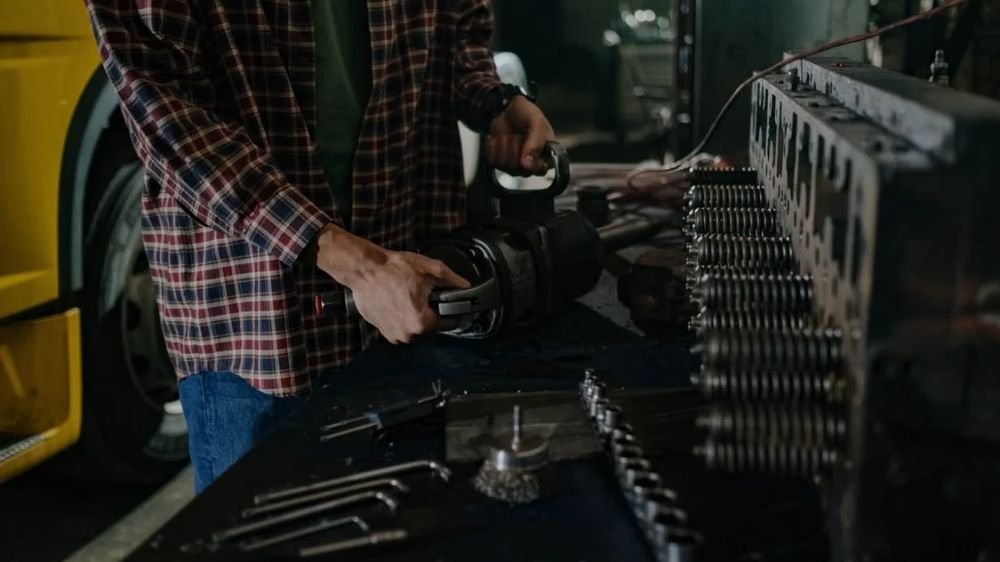
Contractors should choose limits based on an accurate equipment inventory and the value that could be lost in one event. Start by listing owned tools, their current replacement costs, and any property belonging to employees or rental companies that must be insured. Then consider how equipment is grouped. Several crews may keep valuable tools in separate vehicles, while one trailer could hold most of the business’s equipment overnight. A limit adequate for an individual drill may be far too low for a trailer full of tools. Review the overall policy limit, per-item limits, deductibles, and valuation terms. Recheck coverage after equipment purchases, major replacements, or changes in operations.
Scheduled vs. Blanket Tools and Equipment Insurance
Scheduled coverage lists particular tools or machines individually, often with assigned values. Blanket coverage applies a shared limit to a defined group of eligible equipment. A contractor might schedule expensive diagnostic equipment while using blanket coverage for ordinary hand tools. Confirm any maximum payable amount for a single item under the blanket limit.
Replacement Cost, Actual Cash Value, and Deductibles
Replacement cost generally measures the cost to replace covered property without deducting for age-related depreciation. Actual cash value usually accounts for depreciation. A deductible is the portion of a covered loss the business pays. These terms influence the claim payment, along with coverage limits and any conditions for receiving replacement cost.
What Affects the Cost of Tools and Equipment Insurance?
The cost of tools and equipment insurance depends on the property insured, the contractor’s operations, and selected policy terms. Insurers may consider how much equipment the business owns, how it is used, where it is stored, and how frequently it moves between locations.
High-value diagnostic devices, portable machinery, and a large collection of power tools may present different exposures. Loss history, theft prevention measures, covered territory, and the types of losses included can also affect pricing. Policy limits, deductibles, valuation methods, and optional endorsements influence the premium. Instead of relying on an average price, contractors can request quotes using a current inventory and consistent coverage requirements.
How Can Contractors Document and Protect Their Tools?
Contractors can prepare for theft or damage by maintaining an equipment inventory and storing records away from work vehicles. The South Carolina Department of Insurance recommends keeping photographs, receipts, and identifying details for business equipment before disasters.
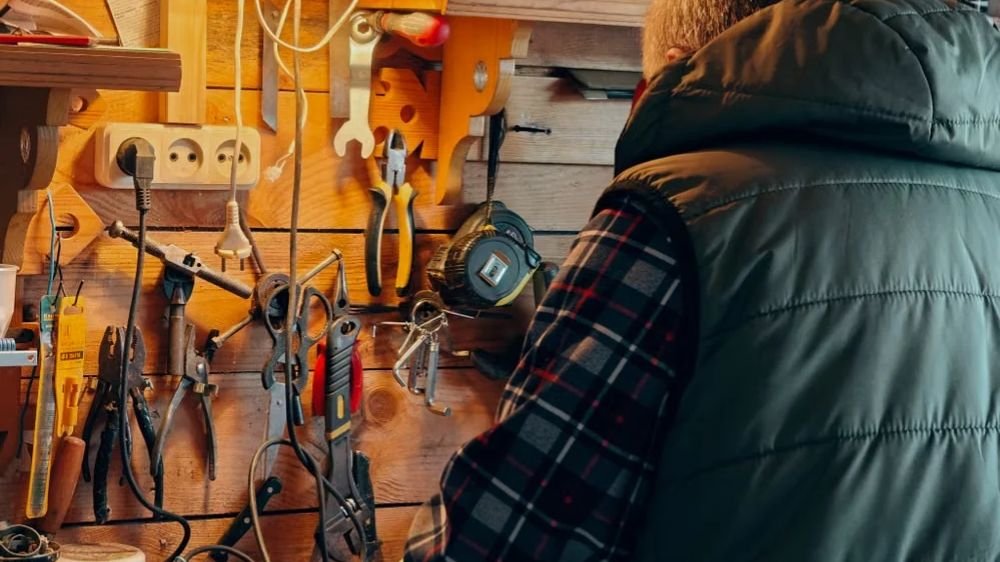
For each valuable tool, record its description, brand, model, serial number, approximate value, and purchase information. Update the list when equipment is added, sold, or moved into another crew’s vehicle. Secure storage and access records can also help document a loss. If equipment disappears, preserve photographs and available security footage, report suspected theft to law enforcement, and follow policy notice requirements. A contractor equipment theft claim checklist can help organize those first steps.