Commercial auto insurance is generally needed when your work truck or van is owned by a business or regularly used for activities that personal auto insurance does not cover. The right coverage depends on vehicle ownership, daily use, drivers, and existing policy terms.
A contractor transporting tools between job sites may have different insurance needs than someone who simply commutes in a pickup truck. For employers and business owners, understanding these differences helps identify potential coverage gaps involving accidents, vehicle repairs, and equipment transported for work.
Key Takeaways
- Commercial auto insurance may be necessary when a truck or van is company-owned or regularly used for business activities outside personal policy coverage.
- Personal auto insurance has limitations. Occasional business driving may be covered, but deliveries, equipment transportation, and other work activities require review.
- Commercial auto coverage protects against specific risks. Liability, collision, and comprehensive insurance address different types of vehicle-related losses.
- Tools and trailers may need separate protection. A business auto policy does not automatically cover transported equipment, materials, or trailer damage.
- Coverage requirements depend on location and operations. South Carolina has minimum auto insurance requirements, while certain transportation activities may require higher limits.
When Do You Need Commercial Auto Insurance for a Work Truck or Van?
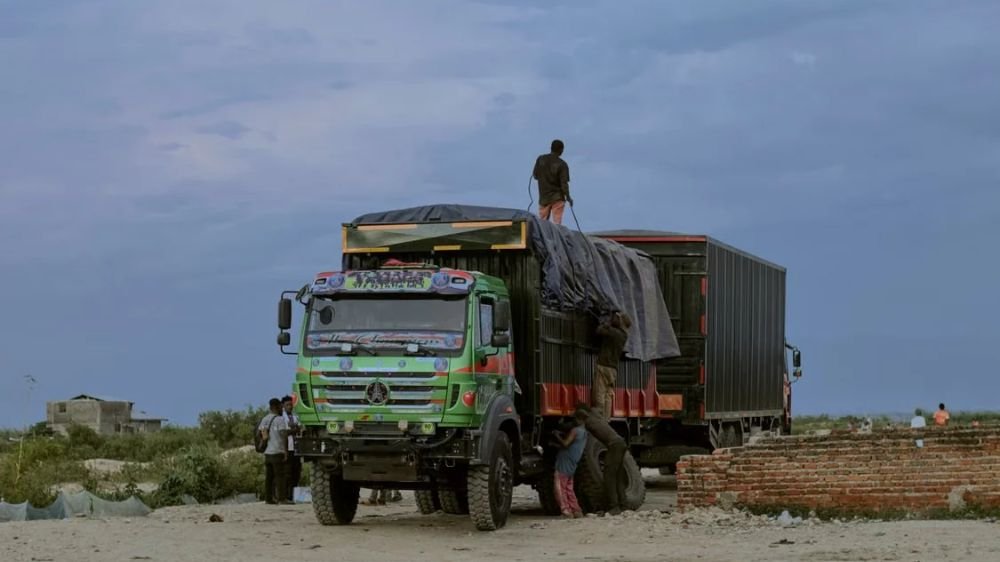
You generally need commercial auto insurance when your truck or van belongs to a business or is used for work activities that fall outside personal auto coverage. Common examples include transporting equipment, delivering products, visiting customer locations, and operating company-owned vehicles. A business auto policy can provide liability protection for covered accidents and optional coverage for damage to insured vehicles. Whether the policy is appropriate depends on how the vehicle is owned, operated, and insured. Several situations may indicate a need for commercial coverage:
- A contractor regularly transports tools and materials between job sites.
- A delivery business uses a van to transport customer orders.
- A landscaping company operates pickup trucks with equipment trailers.
- An employer provides vehicles for employees to visit customers.
Occasional work-related driving does not automatically require a separate commercial policy. Some personal auto policies accommodate limited business use, depending on their terms. Vehicle registration, driving activities, and applicable insurance requirements should all be considered. Before using a truck or van for work, confirm that its actual business activities are covered.
Who Owns and Drives the Vehicle?
Vehicle ownership is a major factor in determining insurance needs. Trucks registered to a company generally require commercial auto coverage, with the business properly identified on the policy. If employees drive company vehicles, verify their eligibility under the policy. Personally owned trucks used for company activities may require commercial coverage or other business liability protection, depending on their use.
How Is the Truck or Van Used for Work?
Regular business activities can change the type of auto insurance needed. Delivering products, transporting supplies, visiting job sites, and towing equipment trailers may fall outside personal policy coverage. Driving to a regular workplace is different from using a vehicle throughout the day for business operations. The insurer should understand these activities before confirming coverage.
Can Personal Auto Insurance Cover a Truck or Van Used for Work?
Personal auto insurance may cover limited business use of a truck or van, but coverage depends on the policy and driving activities. Ordinary commuting is generally treated differently from making deliveries or transporting equipment for business. Some policies permit occasional business errands or offer endorsements that extend coverage to certain work activities. Regular commercial use, company ownership, or specialized transportation may require a commercial auto policy instead.
When employees use personal vehicles for work, hired and non-owned auto liability coverage may help protect the business against certain claims. It generally does not replace the employee’s own auto insurance. The National Association of Insurance Commissioners explains that personal and commercial auto policies provide similar basic protections but differ in covered business activities and other policy provisions.
Unsure Whether Your Work Vehicle Is Properly Insured?
Before relying on personal auto insurance for business driving, review how your truck or van is used and whether the policy covers those activities. Benni Agency can help you evaluate your vehicle-related insurance needs.
What Does Commercial Auto Insurance Cover for Work Trucks and Vans?
Commercial auto insurance covers certain financial losses involving insured vehicles used for business operations. Coverage commonly includes liability for injuries or property damage caused to others and optional protection for damage to insured trucks and vans. For example, if an employee causes an accident while driving a company van, commercial auto liability coverage may help pay covered injury and property damage claims. Repair costs for the company van may require collision coverage.
Other available protections can include uninsured motorist coverage, medical payments, and coverage for qualifying rented or employee-owned vehicles. The exact protection depends on policy limits, deductibles, exclusions, and selected coverage options. Understanding what business insurance covers also helps clarify how auto insurance fits alongside other commercial policies.
Liability, Collision, and Comprehensive Coverage
Commercial auto liability insurance covers eligible bodily injury and property damage claims involving others after a covered accident. Collision coverage helps pay for damage to an insured truck or van from a covered collision or overturn. Comprehensive coverage generally addresses covered non-collision losses, including theft, fire, vandalism, and certain weather damage. Deductibles and exclusions may apply.
Tools, Materials, and Trailers: Where Coverage May Stop
Commercial auto insurance does not automatically cover tools, equipment, or materials transported inside a work van. Business property, inland marine, or equipment coverage may be needed for those items. A truck’s insurance policy does not automatically provide every type of protection a trailer may need. Contractors reviewing their options with an insurance agency Goose Creek, SC should confirm how liability coverage applies while towing and whether the trailer is insured against physical damage.

Commercial Auto Insurance Requirements for Work Trucks in Goose Creek, SC
Business owners in Goose Creek, SC, may use trucks and vans for service calls, deliveries, or transporting equipment between job sites. These activities should be disclosed to the insurer, even when the vehicle is personally owned. The policy should accurately reflect how the vehicle is registered and used.
As of 2026, the South Carolina Department of Insurance requires minimum auto liability coverage of $25,000 per person for bodily injury, $50,000 per accident for bodily injury, and $25,000 per accident for property damage. Uninsured motorist coverage is required at matching minimum limits. Underinsured motorist coverage is optional. These baseline requirements may not provide sufficient protection for every business operation. The South Carolina Department of Motor Vehicles requires insurance information during vehicle registration and proof of coverage when requested. Certain for-hire transportation operations face additional insurance requirements under state or federal motor carrier rules. Business owners should verify which requirements apply before operating their vehicles.
Compare Commercial Auto Insurance Options for Your Work Truck or Van
Choosing commercial auto insurance starts with understanding how your vehicles are used, who drives them, and which risks require coverage. Benni Agency helps business owners evaluate business and commercial insurance, including protection for work trucks, cargo vans, and other company vehicles. Review your existing policy, business operations, and coverage requirements before comparing available options.
How Much Does Commercial Auto Insurance Cost for a Work Truck or Van?
Commercial auto insurance costs vary according to the vehicle, business operations, drivers, and coverage selected. A pickup truck used for occasional service visits may have different premiums than a van making daily deliveries. Several factors can affect the cost:
- Vehicle characteristics: Type, value, weight, and configuration.
- Business activities: Deliveries, equipment transportation, and service operations.
- Driver history: Driving records, accidents, and claims.
- Coverage choices: Liability limits, deductibles, and optional protections.
- Operating details: Mileage, driving territory, and vehicle storage.
Businesses operating heavier delivery vehicles may also benefit from understanding box truck insurance costs. Compare quotes using similar coverage limits, deductibles, and exclusions. A lower premium does not necessarily provide the same protection.
What Should You Check Before Insuring Your Work Truck or Van?
Before purchasing commercial auto insurance, review the vehicle’s ownership, business use, drivers, and existing coverage. Providing accurate information helps the insurer assess the risks associated with your operations. Use this checklist when reviewing your policy or requesting quotes:
- Confirm who owns and registers the vehicle.
- Identify how often the truck or van is used for business.
- List employees and other permitted drivers.
- Check whether tools, materials, or trailers require separate coverage.
- Review liability limits, deductibles, and exclusions.
- Identify rented vehicles or employee-owned vehicles used for work.
- Confirm applicable state requirements and contractual obligations.
Keep vehicle identification numbers (VINs), registration documents, driver information, and existing policy details available. This information can help clarify coverage needs before the vehicle begins operating.
3 thoughts on “Do You Need Commercial Auto Insurance for Your Work Truck or Van?”
Comments are closed.