Inland marine insurance can help protect eligible business equipment while it travels, operates at job sites, or stays temporarily away from your main premises. It addresses property risks that a standard commercial property policy may cover only in limited situations.
For businesses that depend on portable tools, machinery, or specialized electronics, a loss outside the office or warehouse can interrupt work and create replacement expenses. Understanding what this coverage includes, where it applies, and what it excludes helps business owners compare their existing policies with the way their equipment is actually used.
Key Takeaways
- Inland marine insurance protects movable property. It can cover eligible business tools and equipment during transportation, off-site use, or temporary storage.
- Coverage depends on the policy form. Contractors’ equipment, portable electronics, and certain customer-owned property may require different inland marine coverage arrangements.
- Existing policies may have limitations. Commercial property and auto insurance do not automatically provide complete protection for equipment transported between business locations.
- Exclusions and storage conditions matter. Theft restrictions, coverage territory, equipment schedules, and policy limits can affect whether a loss is covered.
- Equipment values help determine coverage needs. Businesses should assess their property inventory, transportation activities, deductibles, and valuation terms before comparing policies.
What Is Inland Marine Insurance, and How Does It Protect Equipment Away From Your Premises?
Inland marine insurance is a specialized form of property insurance for certain assets that move between locations or face risks during transportation. Depending on the policy, it may cover equipment at a job site, property being shipped over land, or items temporarily kept somewhere other than the insured business address.
Despite its name, commercial inland marine insurance is not primarily boat insurance. The term developed from insurance for goods in transit and now describes several types of movable-property coverage. The National Association of Insurance Commissioners’ definition includes property in transit, equipment used at different locations, and certain property held by another party.
Consider a contractor who takes a generator from a storage facility to a customer’s property. If the generator is damaged during a covered transportation accident, an equipment floater, a form of inland marine coverage for movable equipment, may respond.
A conventional commercial property policy can offer some protection away from the premises, but its limits and conditions may differ. The actual policy determines which equipment, locations, causes of loss, and amounts are covered.
What Does Inland Marine Insurance Cover?
Inland marine insurance coverage can protect eligible movable property against specified physical losses, depending on the form purchased. Common examples include contractors’ tools, portable machinery, laptops, testing devices, and equipment carried between work locations.
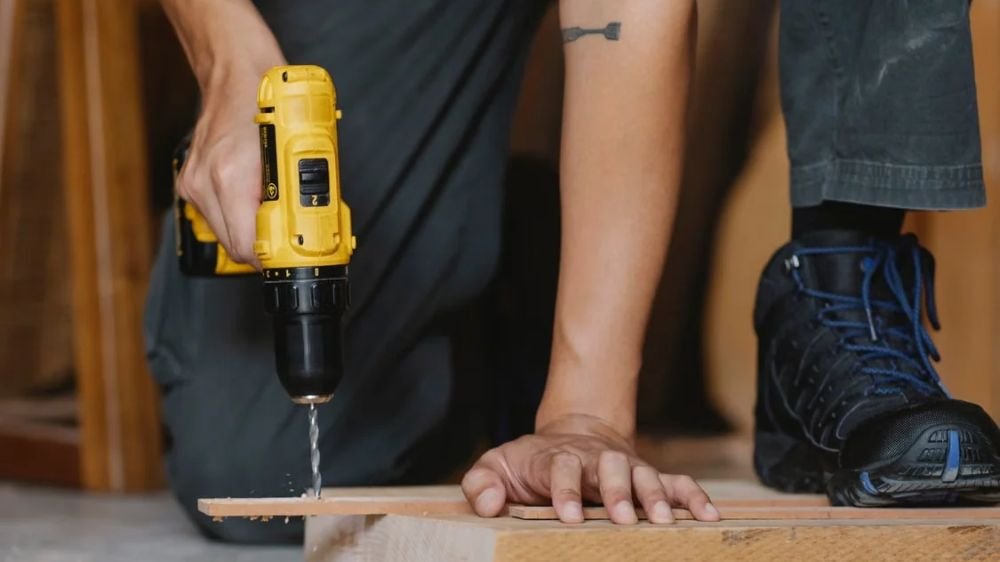
Coverage may apply while property is in transit, being used at a temporary job site, or stored at an approved off-site location. Some inland marine forms also address materials awaiting installation or customers’ property held by a business. Bailee coverage, for example, concerns eligible property belonging to someone else while it is in the business’s care.
Theft, fire, and transportation-related damage may be covered causes of loss. The details matter: a policy covering scheduled construction equipment does not automatically insure every shipment or item of customer property.
How Is Inland Marine Insurance Different From Commercial Property and Auto Coverage?
Commercial property insurance generally covers insured buildings and business belongings at covered locations. It can extend limited protection to property elsewhere, so existing coverage should be checked before adding another policy. Benni Agency’s guide to commercial property insurance explains how property ownership affects those decisions.
A Business Owners Policy (BOP) combines common business coverages and may provide some off-premises protection. Inland marine coverage can insure eligible tools or equipment that regularly move. Commercial auto insurance addresses covered vehicles and vehicle-related losses. Equipment inside a work truck is not automatically insured under its auto policy.
These coverage questions apply regardless of where a business operates. A contractor based in South Carolina, for instance, might work with an insurance broker in Santee, SC to review how different policies cover tools transported between job sites. A business in another state can take the same approach with a local broker, checking whether its equipment is protected during transportation, off-site use, and temporary storage.
Which Businesses May Need Inland Marine Coverage?
Businesses that regularly transport valuable equipment or use it away from a fixed location may need inland marine coverage. Contractors often move generators, power tools, or machinery between projects. Service companies may carry diagnostic devices, while event businesses may transport sound or lighting equipment.
The need depends on the value of the property, where it travels, and what existing policies cover. A company that rarely moves inexpensive equipment may face different exposures from one transporting specialized machinery every day. Businesses using company vans or trucks should also review work truck insurance alongside equipment coverage. Vehicle insurance and protection for the items being transported serve different purposes.
What Should Santee Businesses Check When Equipment Travels Along I-95?
Santee sits on the southern shore of Lake Marion, and Interstate 95 runs through town, according to the Town of Santee. For businesses transporting equipment through the area or to work locations beyond town, the practical question is whether insurance follows that property during travel, temporary storage, and use away from the main premises. Despite the name, inland marine insurance is not automatically insurance for boats on Lake Marion.
Consider a contractor taking power tools to a project or a service company transporting testing equipment between appointments. These examples illustrate coverage questions rather than describing particular local operations. Each business should check whether its equipment is insured during transportation, at a customer location, and while left in a parked vehicle overnight. The review should also consider equipment values, coverage territory, per-item limits, and storage restrictions. A policy’s wording determines whether a specific off-site loss qualifies, even when the equipment is routinely used for business.
What Does Inland Marine Insurance Not Cover?
Inland marine policies have exclusions and conditions, so coverage should never be assumed for every damaged or missing item. Normal wear, gradual deterioration, and some mechanical failures are commonly outside ordinary physical-loss protection. Separate equipment breakdown insurance may address certain sudden mechanical or electrical failures.
Damage to the vehicle carrying equipment generally requires a review of auto coverage rather than an equipment floater. Unlisted property, losses outside the coverage territory, and theft that fails to meet specific policy conditions can also create problems. Flood and earthquake coverage varies by form. These losses should not be treated as universally covered or excluded. Businesses should read both the exclusions and the definitions of insured property and covered locations.
How Can Businesses Choose the Right Inland Marine Insurance Coverage?
Choosing coverage starts with an accurate inventory of equipment that travels or stays away from the business premises. Record what each item is, its value, who owns it, and where it is used. Identify the largest amount of equipment that could be at one location or in transit at the same time.
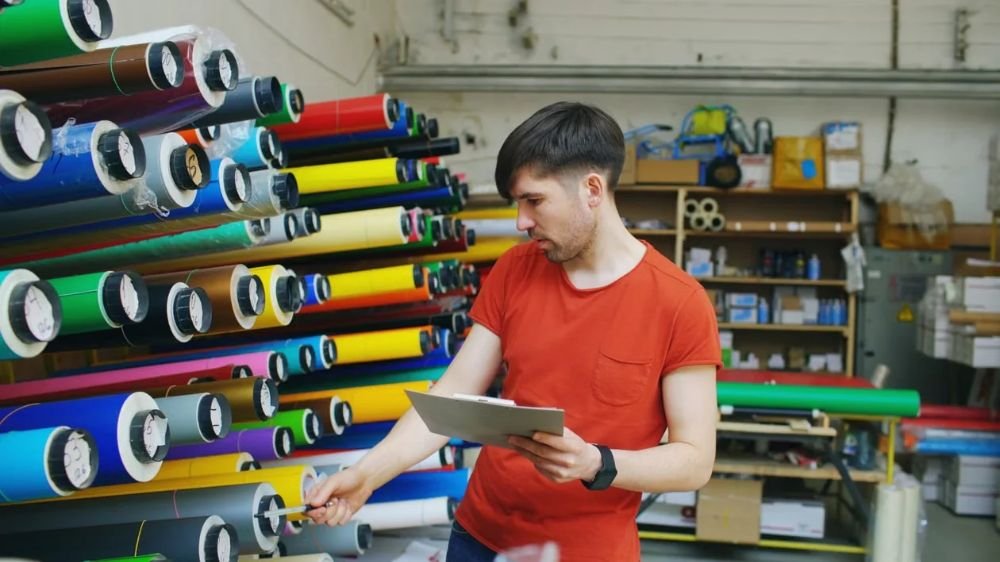
Next, compare those exposures with existing property coverage and any contractual responsibility for rented equipment or customer property. A broader business insurance coverage review can help place mobile-equipment risks alongside other property and liability needs. Review coverage definitions, valuation, deductibles, and restrictions before selecting a policy. The lowest quoted premium does not establish which option addresses the equipment at risk.
Coverage Limits and Equipment Valuation
Check whether the policy covers individually listed items, known as scheduled equipment, or uses a combined limit for a group of assets. Review per-item and per-location limits. Replacement cost generally reflects the cost to replace covered property, while actual cash value accounts for depreciation. Deductibles and payment conditions can affect the amount received after an insured loss.
Transit, Storage, and Theft Conditions
Confirm when coverage starts and ends during transportation and whether temporary storage is included. Ask about unattended vehicles, overnight job-site storage, and any required locks or security precautions. A policy may also restrict coverage by location or geographic territory. These conditions deserve attention when equipment regularly moves between customers or stays outside the main premises.
What Affects the Cost of Inland Marine Insurance?
The cost of inland marine insurance depends on what a business insures and how that property is used. Equipment value, type, portability, and exposure during transportation can influence the premium. Storage arrangements, selected limits, deductibles, and prior claims may also be considered.
A company transporting valuable machinery to multiple job sites may be evaluated differently from one occasionally moving a few laptops. Insurers may ask for an equipment list, replacement values, and information about where assets are stored or transported. Businesses can use Benni Agency’s business and commercial insurance information to see how inland marine coverage fits into a wider review of business property and operations. Compare the scope of protection as well as the quoted price.