3PL insurance is a combination of policies that helps third-party logistics (3PL) providers manage risks involving customers’ freight, warehouse operations, vehicles, and employees. The coverage a logistics company needs depends on whether it stores goods, arranges shipments, operates trucks, or handles several of these services.
For business owners and logistics managers, the challenge is knowing which policy responds when something goes wrong. Damaged inventory, delivery mistakes, and workplace injuries may require different coverage. Understanding these differences helps companies review insurance requirements, identify potential gaps, and choose coverage limits that reflect their actual operations.
Key Takeaways
- 3PL insurance involves multiple policies. Warehouse liability, cargo, commercial auto, and other coverage types address different operational risks.
- Insurance needs depend on the business model. Freight brokers, warehouse operators, carriers, and fulfillment providers face different responsibilities.
- Legal and contractual requirements are separate. Federal rules may establish minimum financial responsibility, while customer agreements can require higher limits.
- Coverage gaps can occur during freight transfers. Businesses should verify insurance responsibility during transportation, unloading, and storage.
- Coverage limits should reflect actual exposure. Inventory values, shipment responsibilities, contracts, and operating activities help determine appropriate protection.
What Insurance Coverage Do 3PL Providers Need?
Most 3PL providers need a combination of warehouse legal liability, cargo, general liability, commercial property, commercial auto, professional liability, cyber, and workers’ compensation insurance. The exact combination depends on the services the company provides and its responsibility for customers’ goods. Start by examining how freight moves through the operation. Inventory may arrive on a carrier’s trailer, remain in temporary storage, enter a warehouse, and leave for another destination. Insurance responsibility can change during these activities.
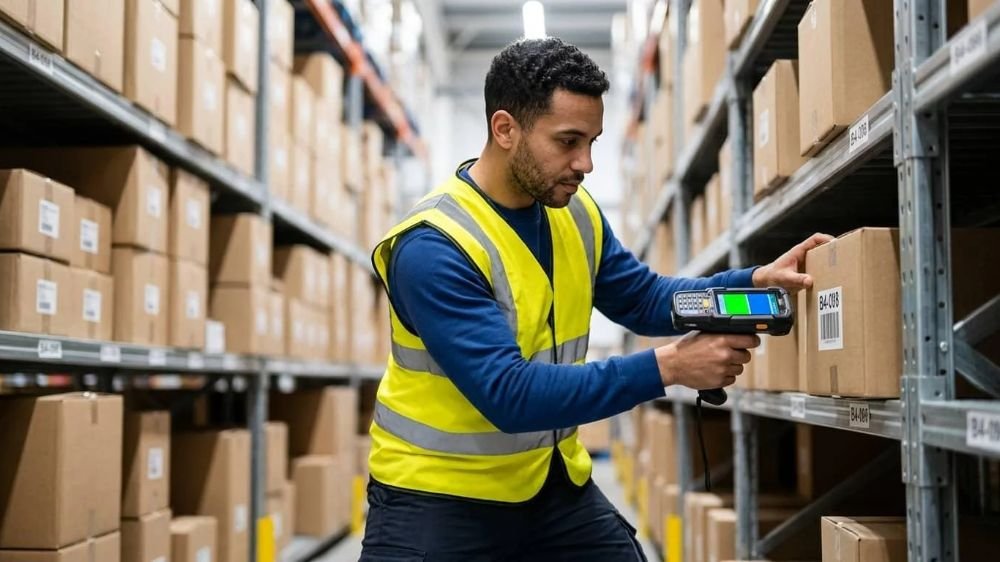
A warehouse operator may be legally responsible for damage caused by negligent handling. A motor carrier faces different exposures while transporting freight. A freight broker may have contractual responsibilities without physically handling shipments. Logistics companies also face risks unrelated to cargo damage. Employees can suffer workplace injuries, company vehicles can cause accidents, and technology failures can interrupt customer orders. Customer contracts may require specific insurance limits or additional coverage. A logistics company working with Benni Agency, an insurance broker in Summerville, SC, can compare those requirements with policy limits and exclusions, including whether customer goods are covered during storage or transportation.
Warehouse Legal Liability Insurance
Warehouse legal liability insurance can cover a logistics provider’s legal responsibility for customers’ goods while they are stored. For example, a warehouse employee might damage packaged inventory while operating a forklift. Coverage depends on the company’s legal liability and policy conditions. Warehouse legal liability does not automatically insure every stored item for its full replacement value.
Motor Truck Cargo and Contingent Cargo Insurance
Motor truck cargo insurance addresses covered losses involving freight transported by an insured carrier. It may respond when goods are damaged, stolen, or lost during covered transportation. Contingent cargo insurance serves a different purpose. It may protect freight brokers against certain cargo-related exposures involving contracted carriers. Coverage depends on exclusions, carrier liability, and policy conditions.
General Liability, Commercial Property, and Auto Insurance
General liability insurance covers qualifying third-party bodily injury and property damage claims. Commercial property insurance protects insured buildings, equipment, and business-owned property against covered losses. Commercial auto insurance addresses covered vehicle-related liability and other selected vehicle risks. These policies serve different purposes.
Errors and Omissions and Cyber Liability Insurance
Errors and omissions (E&O) insurance may cover qualifying claims involving professional mistakes, incorrect shipping instructions, or service failures that cause financial losses. Cyber liability insurance addresses selected risks involving data breaches, ransomware, and other covered cyber incidents. Logistics providers handling customer information or shipment records should review cyber protection alongside their E&O insurance limits.
Workers’ Compensation and Commercial Umbrella Insurance
Workers’ compensation insurance provides benefits for qualifying work-related injuries and illnesses. Warehouse employees, forklift operators, and delivery drivers may face different workplace risks. Commercial umbrella insurance can provide extra liability limits above specified underlying policies.
Umbrella insurance does not automatically cover every business liability. Its coverage depends on the underlying policies, exclusions, and applicable terms. Benni Agency helps businesses review their existing policies and evaluate commercial insurance options based on their operations, contractual requirements, and potential exposures.
How Do Insurance Needs Change by 3PL Business Model?
Insurance needs change based on what a logistics provider does and which responsibilities it accepts. A company operating warehouses faces different risks from a freight broker that arranges transportation without owning trucks. Common differences include:
- Warehouse operators: May need warehouse legal liability, commercial property, general liability, and workers’ compensation.
- Freight brokers: May consider contingent cargo, professional liability, cyber coverage, and applicable financial security requirements.
- Asset-based carriers: May need commercial auto, motor truck cargo, and coverage addressing employee and operational risks.
- E-commerce fulfillment providers: May need warehouse liability, cyber, and professional liability coverage because they store inventory and process customer orders.
Some providers perform several of these activities. Their insurance should reflect every service offered, including transportation arrangements, temporary storage, and inventory handling.
How Can Summerville, SC Logistics Providers Manage Freight Risks Along the I-26 Corridor?
Summerville logistics providers can manage freight risks by reviewing insurance responsibility as goods move between trucks, warehouses, and distribution facilities. The Town of Summerville identifies advanced logistics as a target industry. The South Carolina Ports Authority also identifies Interstate 26 (I-26) as the primary interstate connection to the Port of Charleston. This transportation connection makes cargo handling, temporary storage, and shipment transfers relevant considerations for local operators. When shipments arrive at a warehouse, companies should identify who is responsible during unloading, temporary holding, and storage. Reviewing motor truck cargo, contingent cargo, and warehouse legal liability policies can help clarify which losses may qualify for coverage. Customer contracts should also define responsibility for damaged or missing goods.
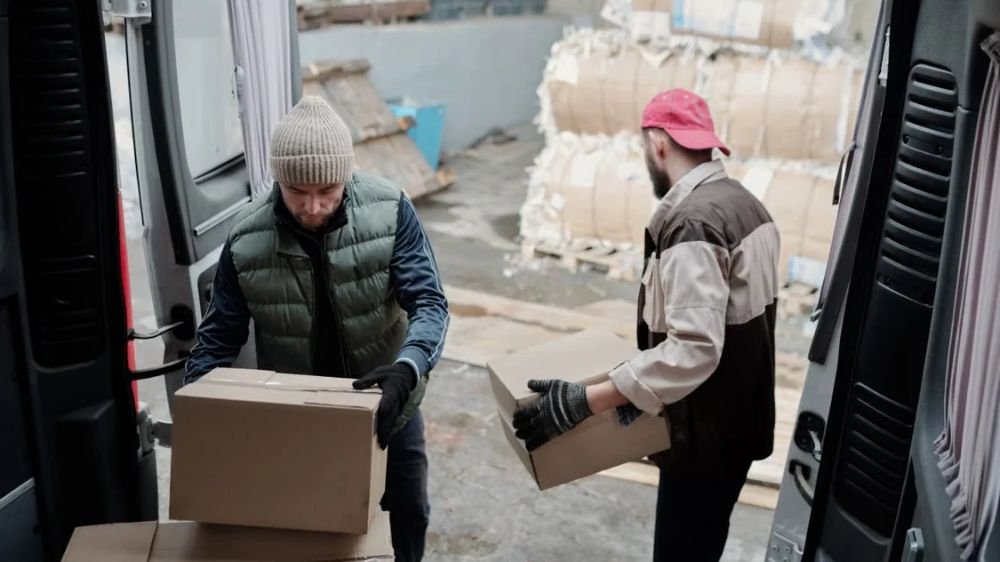
Employers must consider workplace insurance requirements. According to the South Carolina Workers’ Compensation Commission, businesses regularly employing four or more workers generally need workers’ compensation coverage, subject to statutory exceptions. Part-time employees count toward this threshold. Benni Agency works with business owners to review commercial insurance needs, policy limits, and contractual requirements. Explore its insurance broker services to discuss coverage for your logistics operations.
What Insurance Requirements Come From 3PL Contracts and Regulations?
3PL insurance requirements come from applicable laws and agreements with customers, transportation partners, or property owners. These requirements depend on the company’s operations and legal responsibilities. A freight broker may have federal financial security obligations, while a warehouse operator may face different contractual and legal duties. Companies operating commercial vehicles may also need to meet transportation insurance requirements.
Customer agreements can require insurance limits higher than legal minimums. They may also specify particular endorsements or proof of coverage. Before accepting an agreement, business owners should compare contractual requirements with existing insurance policies. Any differences involving coverage limits, exclusions, or responsibility for customer goods deserve review before the company begins providing services.
Insurance Requirements in Customer Contracts
Customer contracts may specify minimum liability limits, cargo coverage, and insurance documentation. Some agreements require an additional insured endorsement, which may extend specified liability protection to another party. Contracts may also address responsibility for damaged inventory, shipment delays, or subcontracted carriers. Review these provisions against actual policy terms. A certificate of insurance alone does not change coverage.
Federal Broker Bonds and Motor Carrier Insurance Requirements
The Federal Motor Carrier Safety Administration (FMCSA) requires registered property brokers to maintain $75,000 in financial security, generally through a BMC-84 surety bond or BMC-85 trust. Updated financial responsibility rules took effect January 16, 2026.
Under FMCSA insurance requirements, covered interstate for-hire carriers transporting nonhazardous property in vehicles with a gross vehicle weight rating of at least 10,001 pounds generally need $750,000 in bodily injury and property damage liability coverage. Other requirements depend on the operation. Insurance and bonds serve different purposes. Companies can review business insurance and bonding when determining which requirements apply.
Where Can 3PL Insurance Coverage Gaps Occur?
3PL insurance coverage gaps can occur when policies exclude certain activities, goods, or responsibilities. These gaps often involve cargo transfers, temporary storage, and customer-owned inventory. For example, goods may be damaged while moving from a carrier’s trailer into a warehouse. The carrier’s cargo policy may limit coverage during storage, while warehouse legal liability may depend on when the warehouse accepted responsibility.
Other potential gaps include unexplained inventory shortages, employee dishonesty, excluded commodities, cyber incidents, and contractual penalties for delayed shipments. Under South Carolina Code §36-7-204, warehouses have a duty to exercise reasonable care, and certain contractual limitations on liability may be permitted. Companies should compare warehouse agreements, transportation contracts, and policy exclusions before assuming a loss is insured.
How Much Does 3PL Insurance Cost?
3PL insurance costs depend on the services provided, the value of goods handled, the company’s operating history, and the policies selected. There is no standard monthly premium that accurately represents every logistics operation. Insurance companies may evaluate several factors when calculating premiums:
- Types and values of stored or transported goods
- Warehouse size, construction, and fire protection
- Number of vehicles and employee driving records
- Payroll, employee duties, and previous claims
- Coverage limits, deductibles, and operating locations
A provider operating delivery trucks may face different insurance costs from a company that only arranges shipments. Businesses managing delivery fleets can review the factors affecting box truck insurance costs when planning their commercial auto expenses. Comparing quotes with equivalent coverage terms provides a more useful basis for evaluating premiums.
How Should Logistics Providers Choose Insurance Coverage and Limits?
Logistics providers should choose insurance coverage based on their operations, maximum potential losses, contractual requirements, and applicable regulations. Start by identifying where the company accepts responsibility for customer property. Consider the highest inventory value stored at one location and the maximum shipment value handled during transportation. Next, review the following:
- Contract requirements: Check insurance limits, endorsements, and responsibilities stated in customer agreements.
- Coverage exclusions: Confirm which goods, transportation activities, and storage conditions are covered.
- Policy limits: Compare available protection with realistic loss scenarios and contractual obligations.
- Deductibles: Consider the amount the business would need to pay after a covered loss.
Review insurance whenever the company adds vehicles, expands warehouse space, accepts higher-value shipments, or changes its services. The appropriate coverage amount depends on the company’s actual exposure rather than a standard limit used by every logistics provider.