Vacant commercial property insurance helps protect an empty commercial building against covered damage, such as fire or storm loss, while it is not being used. Standard commercial property insurance may restrict certain claims once a building meets the policy’s definition of vacant. That can leave property owners facing unexpected repair bills even when their policy is still active.
Whether you own an office, retail space, or warehouse between tenants, understanding coverage and exclusions before the building sits empty helps you decide whether to amend your current policy or obtain separate insurance.
Key Takeaways
- Vacant commercial property insurance can protect an empty building against covered physical damage, but the included risks vary by policy.
- A standard commercial property policy may restrict certain claims after a defined vacancy period.
- Theft, vandalism, water damage, and flooding need separate attention because they are not automatically covered.
- Summerville owners should review address-specific flood exposure and confirm how their policies treat wind and flood losses.
What Is Vacant Commercial Property Insurance?
Vacant commercial property insurance provides coverage for an insured building while it is empty, awaiting a tenant, being marketed for sale, or otherwise unused. The policy may protect against specified damage to the structure, subject to the listed causes of loss, limits, exclusions, and maintenance conditions. Vacant and unoccupied do not always mean the same thing under insurance policies.
A furnished office with no employees working on-site may be treated differently from an empty suite with no equipment. Insurers use their policy definitions to decide when vacancy conditions apply. Owners should also distinguish the building from property belonging to former tenants. The owner typically insures the structure, while each tenant is responsible for arranging suitable coverage for its own assets. Review the building’s business and commercial insurance before occupancy changes.
What Does Vacant Commercial Property Insurance Cover?
Vacant commercial property insurance can cover direct physical damage to an insured building from causes of loss named or included in the policy. Fire, lightning, and certain windstorm losses are common examples, though coverage differs among policy forms. Some policies cover only listed events, while others cover a broader range of accidental physical damage unless excluded. The main distinction is between building protection and optional coverage for other risks.
A policy that covers fire damage to a roof may still exclude theft of fixtures or damage caused by vandals. It also may not pay for injuries to visitors, even when the building itself is insured. Check the policy’s declarations, causes-of-loss form, exclusions, and endorsements. An endorsement is a provision that changes the original insurance terms. The National Association of Insurance Commissioners explains how commercial property insurance addresses covered physical damage, while liability and business income protection serve different purposes. Understanding what business insurance covers can help owners separate these protections before reviewing vacant-building options.
Building Damage and Permanently Installed Property
Building insurance generally applies to the insured structure, including walls, roofing, attached fixtures, and installed electrical or plumbing systems. For example, a covered fire may damage the roof and wiring in an empty retail building. Payment depends on the insured value, deductible, policy conditions, and whether repairs qualify for replacement cost or another valuation method.
Optional Protection for Theft, Vandalism, and Liability
Theft, attempted theft, vandalism, and broken glass may require specific coverage or changes to the existing policy. Owners should ask whether copper piping, wiring, and other building materials are insured against theft. Premises liability is a separate concern. An injury to a visitor may require general liability coverage rather than building insurance.
Is Your Empty Building Still Covered?
Review your current coverage before a tenant leaves or a property remains unused. Benni Agency can help you identify vacancy restrictions and questions to raise with your insurer.
How Does Vacancy Affect an Existing Commercial Property Insurance Policy?
An existing commercial property insurance policy may remain active when a building becomes vacant, but certain protections can become limited. Many standard policies include a vacancy clause that restricts coverage after more than 60 consecutive days of vacancy. Depending on the policy, some losses may be excluded entirely, while others may receive reduced claim payments.
Vacancy rules also depend on who holds the policy. For building owners, insurers may consider how much floor space is rented and used for normal business operations. For tenants, the definition may depend on whether enough business property remains inside the premises to conduct business. These restrictions may also apply to a business owner’s policy. Commercial property owners can consult an insurance agency in Summerville, SC, to understand their vacancy conditions, review potential coverage gaps, and explore available endorsements before restrictions take effect.
What Does Vacant Commercial Property Insurance Exclude?
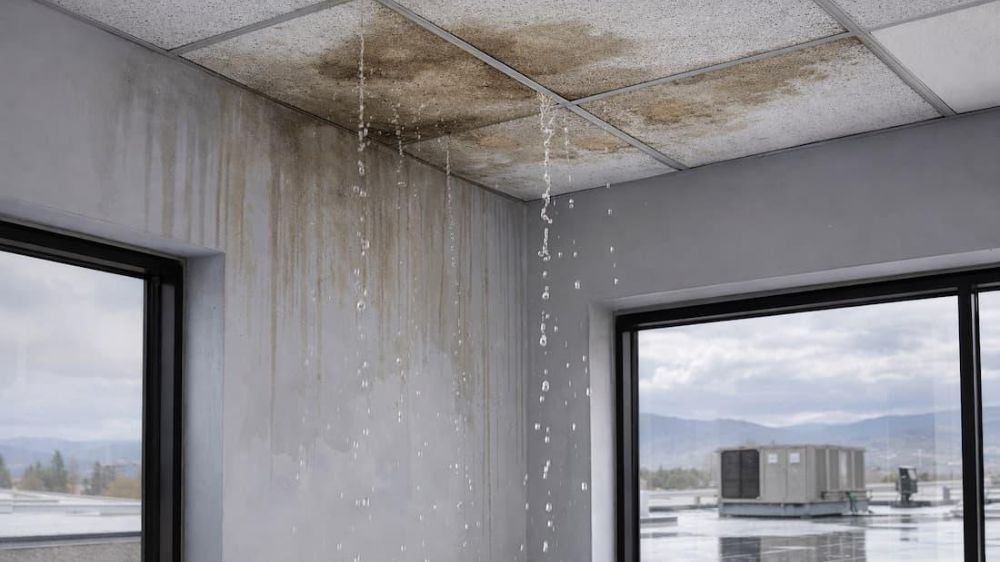
Vacant commercial property insurance can exclude losses that would otherwise be covered when a building is occupied. The details depend on whether the owner has a standard property policy with a vacancy condition or a separate policy written for empty buildings. In some standard forms, a lengthy vacancy can remove protection for vandalism, theft, glass breakage, sprinkler leakage, and certain water damage. Other covered losses may be subject to a reduced payment.
A dedicated vacant-building policy may address selected risks differently, but its exclusions still apply. Owners should read the listed causes of loss alongside the exclusions, endorsements, inspection requirements, and claim conditions. An excluded event cannot be assumed covered simply because the policy is described as vacant-property insurance.
Theft, Vandalism, Glass Breakage, and Water Damage
An empty building may be exposed to stolen wiring, broken windows, or damage that goes unnoticed. Some standard property policies restrict theft, vandalism, glass breakage, and sprinkler or plumbing-related losses after the vacancy condition takes effect. A separate vacant-building policy might cover selected losses, subject to its wording, safeguards, and deductible.
Flooding, Neglect, and Other Uninsured Losses
Flooding is generally excluded from standard commercial property insurance, whether a building is occupied or empty. Wear and tear, gradual deterioration, and damage linked to poor maintenance may also fall outside coverage. Lost rental income usually requires separate business income or rental value protection and must meet the policy’s conditions for a covered loss.
How Should Summerville, SC Owners Address Flood and Storm Risks for Vacant Commercial Properties?
Owners of vacant commercial buildings in Summerville should check their property’s flood exposure before relying on existing storm coverage. Flood risk varies by address. The South Carolina Department of Natural Resources’ flood maps and the Federal Emergency Management Agency’s Flood Map Service Center help owners look up mapped flood hazards. Wind damage and flooding also require separate coverage checks. A commercial property policy may cover certain windstorm losses but exclude damage caused by rising floodwater.
The South Carolina Department of Insurance explains that businesses generally need separate flood insurance. Owners should ask whether wind or named-storm deductibles apply and whether vacancy changes the protection available. Before leaving a building empty, photograph its condition, inspect the roof and drainage, and secure entry points. Confirm any inspection schedule or protective-system requirements in writing so the building’s maintenance plan matches its policy.
How Can Property Owners Get Vacant Commercial Property Insurance?
Property owners can seek vacant commercial property insurance by reviewing their existing policy first, then asking whether the insurer can extend coverage or whether a separate policy is needed. The best approach depends on the property’s condition, how long it may remain empty, and the risks the owner wants insured.
Start by gathering the building address, construction details, current occupancy, expected vacancy dates, insured value, and information about alarms or fire protection. Disclose any renovation work and past claims accurately. Request written terms showing covered causes of loss, exclusions, deductibles, inspection conditions, and the coverage effective date. Comparing those terms helps owners understand what changes when the building becomes vacant.
Extending an Existing Policy With a Vacancy Endorsement
A vacancy permit or endorsement may modify the current policy so certain coverage continues while the property is empty. It must be approved by the insurer and can carry revised premiums, exclusions, or safeguards. Ask which restrictions the endorsement removes, which remain in place, and when the permission expires.
Purchasing a Separate Vacant Commercial Property Policy
A separate vacant-building policy may suit a property that will remain unused for an extended period or cannot be covered adequately under its existing policy. Compare insured property, theft and vandalism options, liability protection, and valuation. Actual cash value generally reflects depreciation. Replacement cost generally does not, subject to policy terms.
How Much Does Vacant Commercial Property Insurance Cost?
Vacant commercial property insurance has no fixed price. Premiums depend on the building’s location, size, construction, age, condition, insured value, and expected vacancy period. A secured building awaiting a new tenant can present different risks from a building with damaged windows or outdated systems. Insurers may also consider fire protection, previous claims, the type of coverage requested, deductibles, and required inspections.
Higher limits or broader protection can change the premium, while a lower quote may come with exclusions or reduced claim payments. When comparing offers, ask for the same insured value and coverage options. The factors influencing business insurance costs provide broader context, but vacant-building premiums require a property-specific quote.
How Can Owners Protect Vacant Commercial Buildings and Maintain Insurance Coverage?
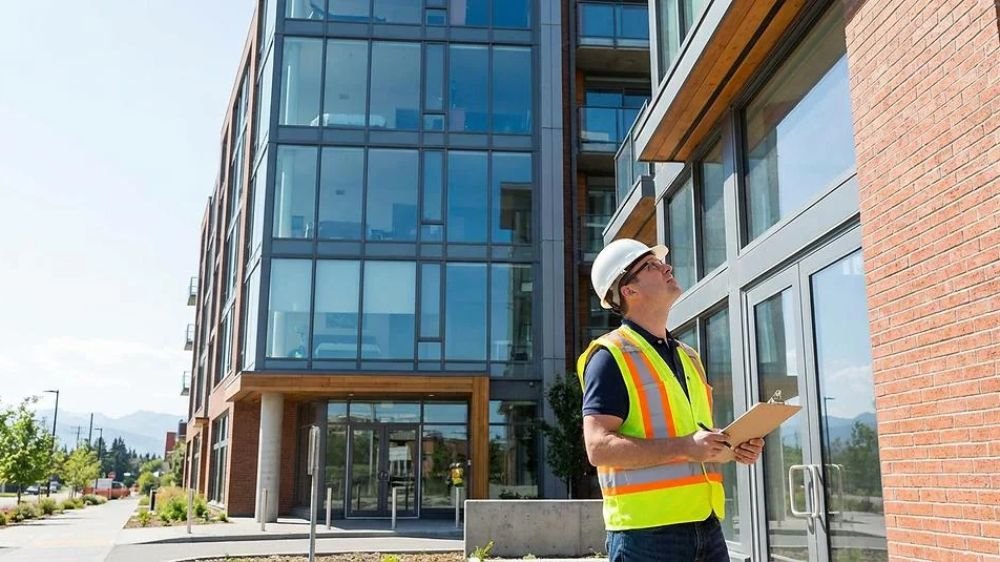
Owners can reduce preventable losses by inspecting the building, securing it, and following all policy conditions while it remains vacant. An empty property can develop a leak or broken window without anyone noticing for days. Before and during vacancy, take these practical steps:
- Lock and inspect doors, windows, and exterior access points.
- Maintain alarms, fire protection, and any heating required by the policy.
- Check the roof, plumbing, drainage, and signs of water intrusion.
- Schedule inspections at the frequency required by the insurer and keep written records.
- Document repairs, photos, and any change in occupancy or renovation plans.
Ask the insurer before shutting off utilities or disabling a sprinkler system. Security measures do not replace insurance, and failing to meet a policy condition can affect a claim.