Business product liability insurance helps protect companies against certain claims when products they manufacture, distribute, or sell cause bodily injury or property damage. It can cover legal defense costs, settlements, and judgments, depending on the policy’s terms.
For business owners, product liability is a concern even when another company manufactures the goods. A defective product can lead to customer injuries, lawsuits, and financial losses. Understanding how this insurance works helps businesses identify coverage gaps, review exclusions, and decide whether their current insurance provides appropriate protection.
Key Takeaways
- Business product liability insurance generally covers certain third-party bodily injury, property damage, and legal expenses arising from products.
- Manufacturers, importers, distributors, retailers, and online sellers may face product liability claims, even when they do not manufacture the goods.
- Standard product liability coverage generally excludes product recall expenses and the cost of repairing or replacing defective products themselves.
- Product liability protection may be included in general liability insurance, but policy limits, exclusions, and endorsements determine actual coverage.
- Businesses should review product risks, supplier agreements, contractual requirements, and policy limits before purchasing or renewing coverage.
What Does Business Product Liability Insurance Cover?
Business product liability insurance generally covers claims involving bodily injury or property damage caused by products a company manufactures, distributes, or sells. It may help pay legal and other expenses when the business faces a covered claim. Common areas of coverage include:
- Bodily injury: Medical expenses and damages arising from covered injuries caused by a product.
- Property damage: Physical damage to someone else’s property caused by a defective product.
- Legal defense: Attorney fees, court expenses, and other defense costs for covered claims.
- Settlements and judgments: Amounts the business becomes legally obligated to pay, subject to policy terms and limits.
For example, suppose an electrical appliance overheats and damages a customer’s home. Product liability insurance may cover the resulting property damage and legal expenses if the claim meets the policy’s conditions. Coverage does not automatically apply to every product failure. The specific cause of damage, applicable exclusions, coverage limits, and policy conditions determine whether the insurer pays a claim. The Insurance Information Institute explains that product liability protection can be purchased separately or included within general liability insurance.
What Types of Product Defects Can Lead to Liability Claims?
Product liability claims commonly involve three categories of defects: design problems, manufacturing errors, and inadequate warnings or instructions.

- Design defects occur when a product’s design creates an unreasonable safety risk. For example, a piece of equipment might have an unstable design that causes it to tip during normal use.
- Manufacturing defects happen when errors during production, assembly, or packaging make a product unsafe. A faulty component in an otherwise properly designed appliance is one example.
- Warning defects involve missing or inadequate safety instructions about foreseeable risks.
Businesses may face claims involving any of these problems. Whether a claim establishes legal responsibility depends on the product, circumstances, applicable law, and available evidence.
Which Businesses Need Product Liability Insurance?
Businesses that manufacture, import, distribute, or sell physical products should consider product liability insurance. A company does not need to manufacture a product itself to face legal claims involving its safety. Several types of businesses may have product liability exposure:
- Manufacturers: Companies producing finished goods, components, or equipment.
- Distributors and wholesalers: Businesses supplying products to retailers or other organizations.
- Importers: Companies bringing products from overseas suppliers into the United States.
- Retailers: Businesses selling physical goods directly to consumers.
- Online sellers: Companies selling products through websites or online marketplaces.
- Private-label businesses: Companies selling products manufactured by another business under their own brand.
Product risk can vary considerably between industries. A company selling electrical equipment may face different injury risks from one distributing clothing or household products. The Insurance Information Institute identifies manufacturers, distributors, and sellers as businesses that may face liability when products cause injuries or property damage. Customer agreements, distribution contracts, and marketplace requirements may also influence whether coverage is needed.
For example, a Charleston retailer selling imported appliances should confirm whether its policy covers injury or property damage claims involving those products, even if another company manufactured them. Businesses searching for insurance agency Charleston, SC can find local guidance on product classifications, coverage limits, and exclusions before making insurance decisions.
What Does Product Liability Insurance Usually Exclude?
Product liability insurance does not cover every expense arising from defective products. Standard policies generally focus on covered third-party bodily injury and property damage claims. Common exclusions or limitations include:
- Product recalls: Expenses for notifying customers, collecting products, shipping, and replacing recalled items.
- Defective products themselves: Costs to repair or replace the faulty product, rather than damage it causes to other property.
- Employee injuries: Work-related injuries generally fall under workers’ compensation insurance.
- Product performance problems: Warranty disputes or financial losses without covered injury or property damage.
- Intentional acts: Certain deliberate or dishonest conduct.
Actual exclusions depend on the insurance contract and endorsements. Businesses reviewing what business insurance covers should examine how separate policies address these risks. Product recall insurance may be available for certain expenses excluded from standard product liability protection.
Why Should Charleston, SC Importers and Product Sellers Review Liability Coverage?
Charleston’s role in regional freight and distribution creates product liability considerations for businesses handling goods from different suppliers. The South Carolina Ports Authority identifies consumer goods distribution, automotive manufacturing, and tire manufacturing and distribution among the business sectors connected to its port operations. Importers, wholesalers, and retailers involved in these activities should consider potential claims arising from products they handle.
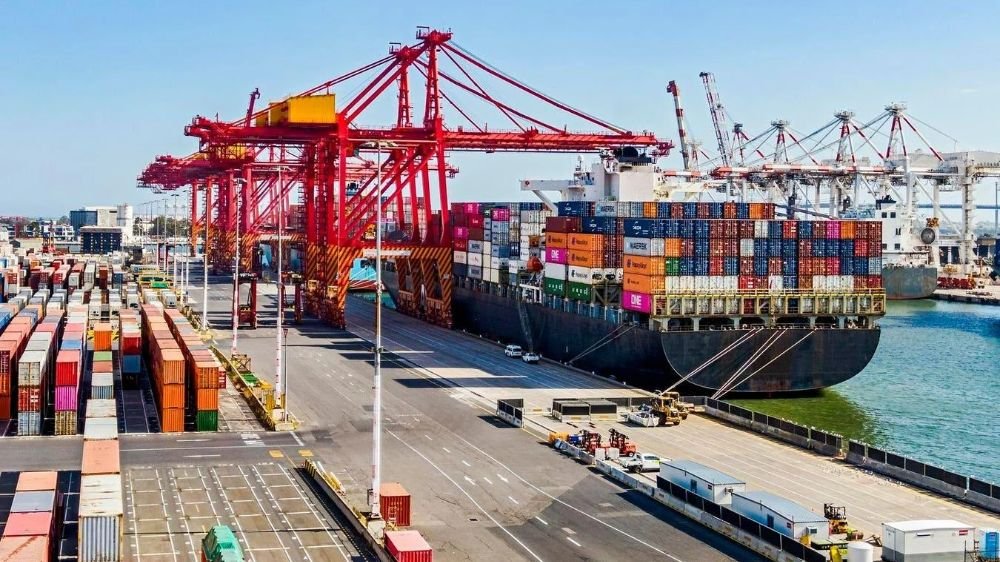
Under South Carolina Code Section 15-73-10, a seller may face liability when a defective, unreasonably dangerous product causes physical harm under the statute’s conditions. The law also addresses situations where a seller exercised care in preparing and selling the product. Whether liability applies depends on the facts. Charleston-area companies should review supplier agreements, products-completed operations coverage, policy territory, and recall exclusions. They should also confirm whether contracts require additional-insured coverage. Operating near the port does not automatically create a separate product liability insurance requirement, but a company’s role in the supply chain can affect its exposure.
How Does Product Liability Coverage Work With General Liability Insurance?
Product liability coverage is often part of a commercial general liability (CGL) policy. It commonly falls under products-completed operations coverage, which addresses certain injury or property damage claims arising from products after they leave a company’s possession or from completed work. General liability insurance also addresses other risks, such as qualifying customer injuries at business premises.
A standalone product liability policy may be appropriate when a company’s product exposure requires different coverage terms or limits. Some businesses obtain general liability protection through a business owner’s policy, which typically combines liability and property coverage. Business owners should review the declarations, exclusions, and endorsements rather than assume their existing policy covers every product-related claim.
How Much Does Product Liability Insurance Cost and How Much Coverage Is Enough?
Product liability insurance costs vary based on the products a business handles, its operations, revenue, claims history, and coverage requirements. There is no single premium that applies to every manufacturer, retailer, or distributor. The amount of coverage needed also varies. Businesses should consider the potential cost of a serious product-related injury, contractual requirements, and the financial impact of claims exceeding their insurance limits.
What Factors Affect Product Liability Insurance Premiums?
Insurers consider product hazards, annual sales, claims history, distribution methods, and the geographic areas where products are sold. Businesses selling products with greater injury potential may face different premiums from companies handling lower-risk goods. Coverage limits, deductibles, policy exclusions, and available safety documentation may also affect pricing. Benni Agency’s guide to business liability insurance costs explains related pricing considerations.
How Should Businesses Compare Product Liability Coverage Limits?
Businesses should compare per-occurrence limits, aggregate limits, and applicable products-completed operations limits. A per-occurrence limit generally restricts payment for a covered occurrence. An aggregate limit restricts the total amount available for applicable claims during the policy period. Contract requirements and potential claim severity should guide coverage decisions. Reviewing how much liability insurance a business needs can provide useful context when comparing limits.
What Should Businesses Check Before Buying or Renewing Product Liability Insurance?
Before purchasing or renewing product liability insurance, businesses should compare coverage terms with their actual products, operations, and contractual responsibilities. Start by checking the following:
- Product categories, suppliers, and manufacturing arrangements.
- Products-completed operations coverage and applicable exclusions.
- Per-occurrence and aggregate limits.
- Contractual insurance requirements and additional-insured endorsements.
- Product recall coverage and other potential gaps.
Businesses should also maintain product records and promptly notify their insurer of incidents that may lead to claims, according to policy requirements. For applicable consumer products, the U.S. Consumer Product Safety Commission generally requires reporting within 24 hours after obtaining reportable safety information. Not every customer complaint triggers this requirement. A licensed professional offering insurance broker services can help businesses review policy terms and compare coverage options.