Product liability insurance can matter even when another company makes the products your business sells. Outsourcing production does not automatically remove your potential responsibility if a defective product injures someone or damages their property. Retailers, distributors, importers, and private-label brands may face claims depending on their role and applicable law.
Insurance can help with covered legal defense costs and damages, but policy terms determine what it pays. Before relying on a manufacturer’s insurance, business owners should understand their own exposure, review supplier agreements, and check the protection available under their existing policies.
Key Takeaways
- Outsourcing manufacturing does not automatically remove a seller’s potential product liability exposure.
- Product liability insurance may address covered bodily injury, property damage, and legal defense costs.
- South Carolina law sets conditions under which a seller can be responsible for harm from a defective product.
- A manufacturer’s insurance policy does not automatically cover the companies that sell its products.
- Review insurance limits, supplier agreements, safety records, and recall responsibilities before selling products.
What Does Product Liability Insurance Cover?
Product liability insurance addresses certain claims that a product caused bodily injury or damaged another person’s property. Covered costs may include legal defense, settlements, and judgments. A product that overheats and damages a customer’s home may trigger a property damage claim. A faulty component that injures a user may result in a bodily injury claim.
Coverage differs from a warranty. It generally does not pay simply because a product fails, and recall or inventory replacement costs may need separate protection. Product liability is one part of a business and commercial insurance program. Check insured products, exclusions, and limits before assuming a loss is covered.
Can Your Business Be Liable for Products Made by Another Company?
Yes. A business can face a product liability claim even when it contracts with another company to manufacture the finished goods. Depending on the law and the facts, a retailer, distributor, importer, or private-label brand may be drawn into a claim involving a product it sold. Consider a company that sells kitchen appliances under its own brand while an outside factory handles assembly. If a faulty appliance causes a fire, a customer may pursue claims involving more than the factory. The roles of the seller, brand owner, designer, and manufacturer can all matter.
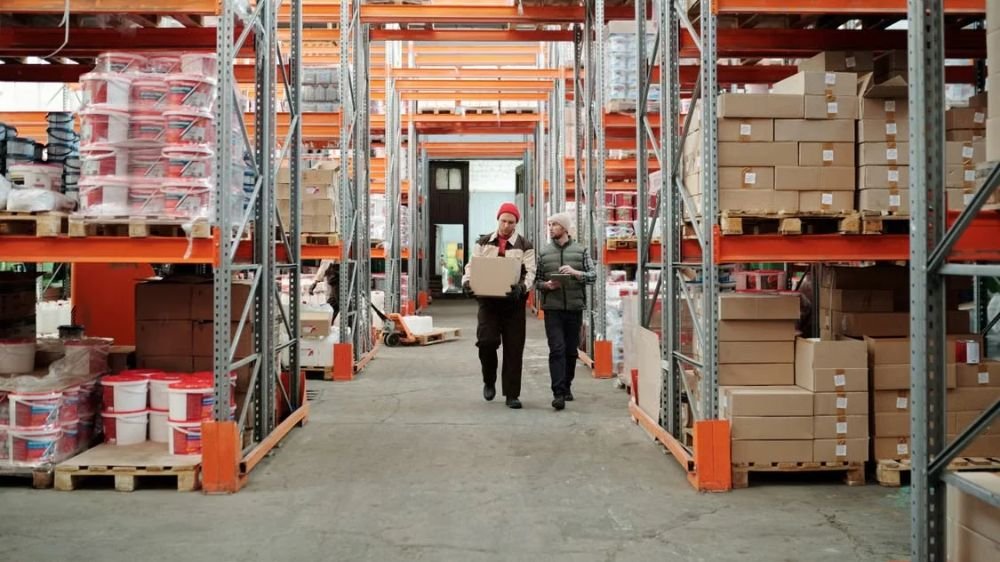
The legal question is separate from the insurance question. A manufacturing agreement might assign responsibility for certain losses or require the factory to carry insurance. That agreement does not automatically prevent a customer from filing a claim against the seller. Nor does the manufacturer’s policy automatically insure every business in the distribution chain. A seller should check its own coverage, the manufacturer’s policy, contractual terms, and the product types involved. For example, a private-label retailer could consult an insurance broker in Walterboro, SC to review its product liability coverage and check whether the manufacturer’s policy extends protection to the retailer.
Does Your Business Have the Right Liability Coverage?
Review the products you sell and the terms of your existing policies. Benni Agency can help you compare product-related exposure with available commercial liability coverage.
What Product Defects Can Lead to Liability Claims?
As explained in Cornell Law School’s product liability overview, claims commonly involve three types of alleged defects. Each concerns a different point in a product’s development or sale:
- Design defect: The product’s design may create an unreasonable danger even when production follows the specifications.
- Manufacturing defect: An error during production or assembly can make a particular product unsafe.
- Warning or instruction defect: Missing or inadequate safety information may leave users unaware of a foreseeable hazard.
A business that outsources production may still be involved in design decisions, packaging, labels, or instructions. That makes its role worth reviewing when assessing product liability insurance coverage. A product defect does not automatically mean a particular policy will cover the resulting claim.
How South Carolina Product Liability Law Affects Walterboro Sellers
Walterboro sellers should understand that South Carolina law can impose liability on a business selling a defective product, even when someone else made it. Under South Carolina Code Section 15-73-10, a seller engaged in selling the product may face liability for physical harm when a product is unreasonably dangerous and reaches the consumer without substantial change. The statute sets conditions that must be met; it does not make every seller liable for every product injury.
For example, a Walterboro retailer selling equipment assembled elsewhere could face questions about a defect and its role in the sale if a customer is injured. The facts, the type of claim, and applicable law determine the legal outcome. A manufacturing contract does not replace that analysis. Before selling or expanding a product line, businesses should review supplier records, product warnings, and insurance terms. A South Carolina attorney can assess legal responsibility, while an insurance review can clarify what coverage may respond to a claim.
Is Your Product Liability Insurance Right for the Products You Sell?
If your business sells products made by outside manufacturers, Benni Agency can help review coverage limits, exclusions, and product-related risks before you renew or change policies.
Is Product Liability Insurance Included in General Liability Insurance?
Product liability protection may be included in commercial general liability insurance, but it is not automatic for every product or operation. Some companies may need separate coverage or policy changes based on what they sell. A general liability policy may include products-completed operations coverage, which addresses certain injury or property damage claims involving products after they leave the business’s possession. Policy language, exclusions, limits, and endorsements determine the actual protection.
A Business Owners Policy (BOP) can include general liability coverage, but the package itself does not guarantee protection against every product claim. Compare the business owners policy and general liability options alongside the products your company handles. The policy’s product-related exclusions still need separate review.
How Much Product Liability Coverage Does Your Business Need?
The right amount of product liability coverage depends on what your company sells and the harm a defective product could cause. There is no coverage limit that fits every manufacturer, importer, or retailer. Consider the products’ intended use, possible injury severity, annual sales, distribution markets, and any insurance requirements in supplier or customer contracts.
Review the per-occurrence limit, which caps coverage for a qualifying event, and the aggregate limit, which caps certain claims across the policy period. Check whether a separate products-completed operations aggregate applies. The National Association of Insurance Commissioners identifies products and operations among liability risk factors. Premiums also reflect underwriting, claims history, and selected limits. Reviewing liability insurance limits can help match protection to product-related exposure.
What Should You Check Before Selling Products Made by Another Company?
Before putting a third-party manufactured product on the market, identify which business controls its design, production, packaging, warnings, and sale. These roles can affect product safety responsibilities, contracts, and potential claims. Start with three questions: Who is responsible for checking product quality? What happens if the product causes injury or is recalled? Whose insurance may respond to a claim, and under what conditions?
Keep your answers in writing and review them when the supplier, product design, or sales territory changes. A written agreement is useful, but it does not settle every question of legal liability or insurance coverage. The following checks can help organize the review.
Review the Manufacturer’s Contract and Insurance
Read the manufacturing agreement for quality standards, testing duties, indemnification provisions, and responsibility for claims. Request relevant insurance documents, then check the policy’s covered activities, dates, and limits. A certificate of insurance alone does not establish your coverage. If additional insured protection is expected, verify that an applicable endorsement actually provides it.

Keep Product Safety and Supplier Records Organized
Maintain product specifications, supplier contacts, testing records, batch details, labels, and complaint reports. For products under its authority, the U.S. Consumer Product Safety Commission identifies certain hazards that manufacturers, importers, distributors, and retailers must report. Review the rules that apply to your product rather than assuming the manufacturer handles every reporting duty.
Use a Downloadable Product Liability Review Sheet
A downloadable sheet can put product and insurance details in one place. Include the product name, manufacturer, distribution role, safety records, contract terms, policy limits, additional insured endorsements, and recall contacts. Update the sheet when products or suppliers change. Use it as a review aid, not as proof that any particular claim is covered.