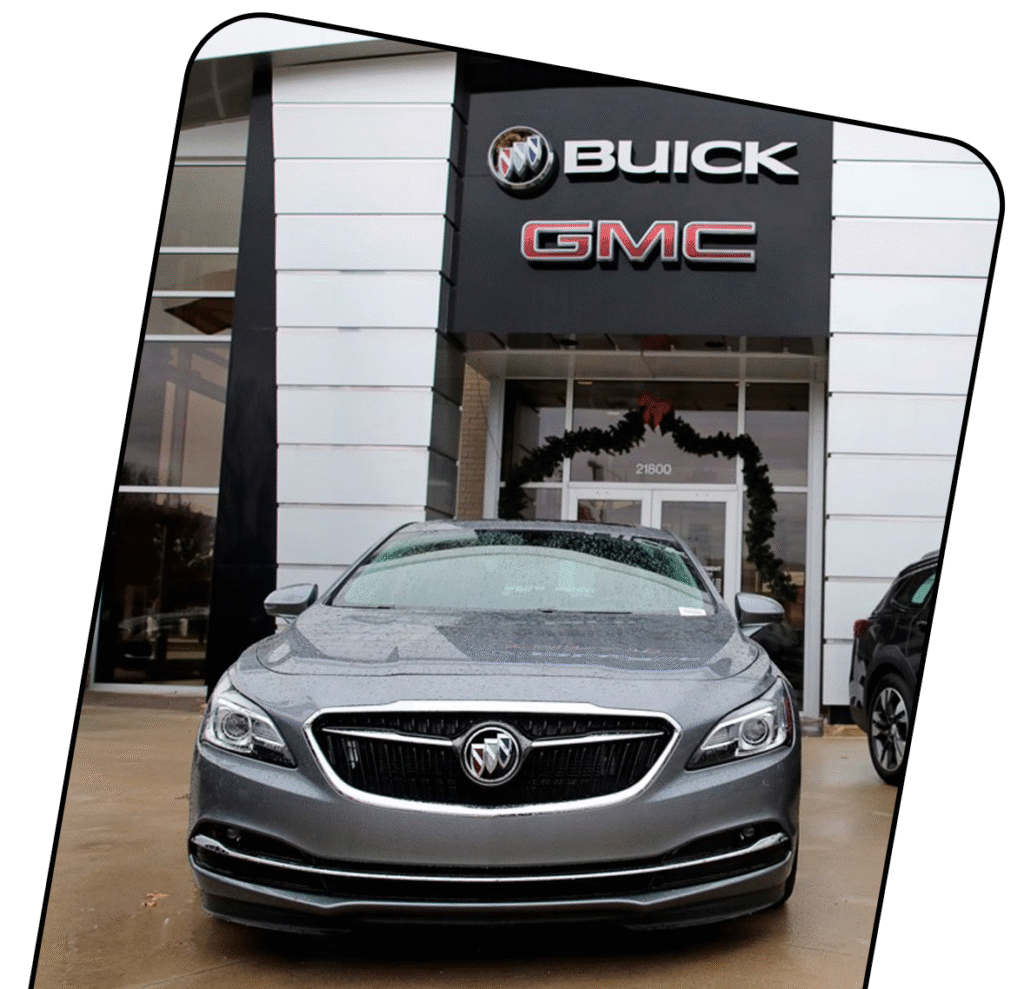
Consider a regional car dealership with 120 employees spread across sales, service, and management. The dealership is facing challenges with its employee benefits program. Their existing enrollment process is heavily dependent on paper forms, which makes it time-consuming, error-prone, and frustrating for both HR staff and employees. The result is low engagement, minimal participation in benefits, and a leadership team concerned that their program does not match the professionalism or competitive edge of the business.
The workforce brings unique needs. Younger, tech-savvy sales employees are looking for flexibility and affordable coverage options, while service staff and managers with families need stability and dependable benefits. Leadership wants to offer a meaningful benefits program without adding to costs and realizes they need a partner with both technology and expertise. This is where Benni’s approach would make the difference.
The dealership’s challenges can be broken down into three key areas: administration, engagement, and choice.
From an administrative standpoint, HR is buried in paperwork. Each year, they distribute forms, chase down signatures, and manually enter data an inefficient process that invites mistakes and missed deadlines. A modern, automated system would allow HR to redirect its time toward higher-value, strategic priorities.
Employee engagement is another pressing issue. Sales staff, in particular, are disengaged from the process, with many skipping enrollments because it feels outdated and complicated. Management is concerned this lack of connection to benefits contributes to turnover and hurts recruiting efforts. To build loyalty and attract top talent, the dealership needs a solution that makes benefits clear, accessible, and relevant.
Finally, the dealership lacks breadth in its offerings. Without affordable voluntary benefits such as dental and vision, employees either go without coverage or seek it independently. This weakens the overall value of the employer’s package and makes the dealership less competitive.
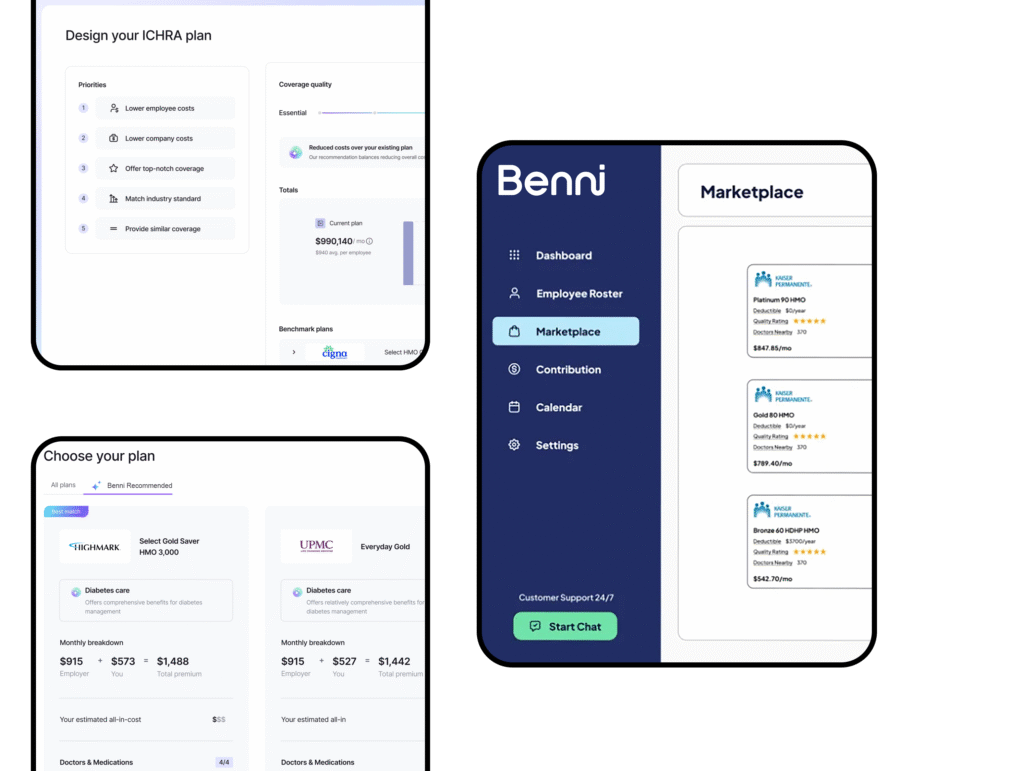
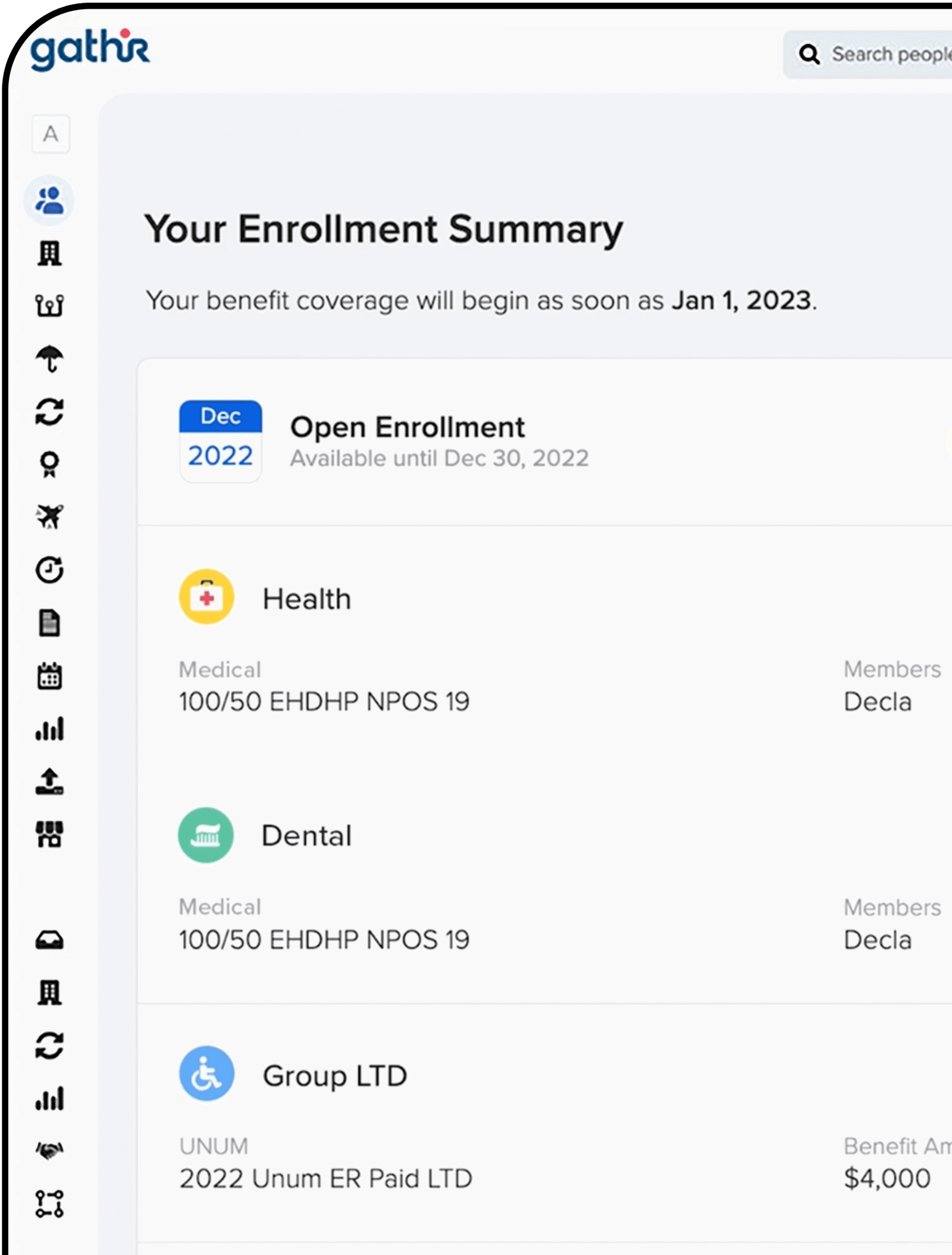
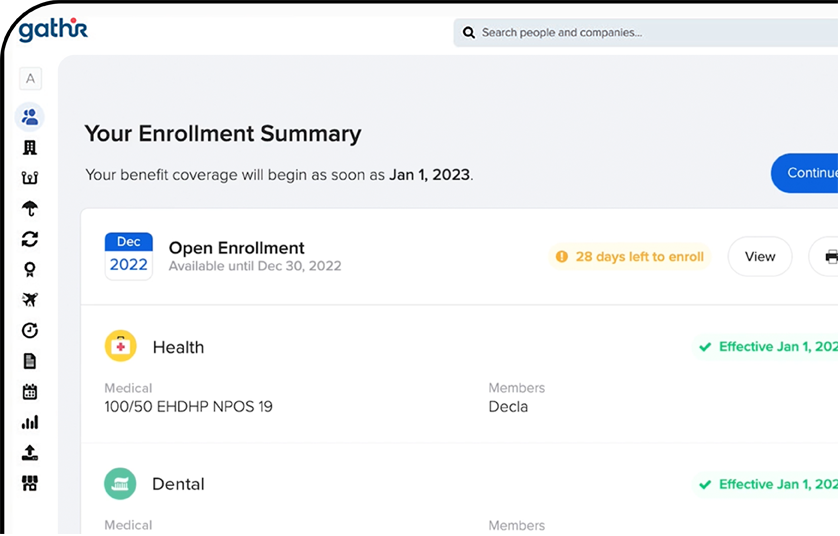
Benni’s approach would address these issues in three ways. First, through consulting, we would partner with leadership to understand their workforce demographics, budget, and long-term goals. With that insight, we would design a benefits lineup tailored to the unique needs of younger sales employees, family-focused service teams, and career-driven managers. Second, through technology, we would implement Gathr, our no-cost benefits administration software, giving employees the ability to compare plans and enroll digitally from any device. This would eliminate paperwork, streamline compliance, and encourage participation especially from younger employees who value a mobile-first experience. Third, by introducing voluntary benefits, such as dental and vision, employees would gain access to affordable new options without increasing employer costs. The expanded coverage would make employees feel more supported while improving retention and satisfaction.